Every homeowner eventually faces repairs, improvements, and maintenance tasks that require proper tools. Building a well-equipped tool collection empowers you to handle common projects confidently while saving money on service calls for simple fixes. Whether you're new to homeownership or expanding an existing collection, understanding which tools provide the most value helps you invest wisely. This guide covers the essential tools that every DIY homeowner should own in 2026.
Power Drill and Impact Driver Combination
If you could own only one power tool, a cordless drill should be your choice. Modern cordless drills handle drilling, driving screws, and countless other tasks that would be tedious or impossible by hand. For 2026, investing in a drill and impact driver combination kit provides even greater capability for modest additional cost.
Cordless drills bore holes through wood, drywall, and soft metals using various drill bits. They drive screws with far less fatigue than manual screwdrivers. Variable speed control and clutch settings allow precision for delicate tasks and power for demanding applications. Quality cordless drills use lithium-ion batteries that hold charges well and provide consistent power throughout discharge cycles.
Impact drivers complement drills for heavy-duty screw driving. These tools use rotational and percussive force to drive screws without the bit cam-out that plagues drill drivers on resistant fasteners. Building decks, driving lag bolts, and assembling furniture become dramatically easier with impact drivers. The smaller size compared to drill drivers allows access in tight spaces.
Battery platform compatibility matters when choosing cordless tools. Major tool manufacturers use proprietary battery systems that work across their cordless tool lines. Starting with a drill and impact driver kit from a quality brand gives you batteries compatible with future tool purchases, building an efficient ecosystem. Brands like DeWalt, Milwaukee, Makita, and Ryobi offer extensive compatible tool lines.
Invest in quality bits to accompany your power tools. Cheap bits wear quickly, strip screws, and break at inconvenient moments. Quality bit sets featuring various driver tips and drill bit sizes handle most common tasks. Specialty bits for specific applications can be added as needed.
Comprehensive Hand Tool Collection
Power tools get attention, but hand tools remain essential for countless tasks where precision, control, or simplicity make them the right choice. Building a comprehensive hand tool collection provides capability that covers the full range of homeowner needs.
Screwdrivers in various sizes and types handle tasks too delicate or awkward for power drivers. Quality screwdriver sets include multiple Phillips and flathead sizes plus specialty tips for increasingly common Torx and square drive fasteners. Look for comfortable grips and hardened tips that resist wear. Ratcheting screwdrivers speed work while reducing wrist fatigue.
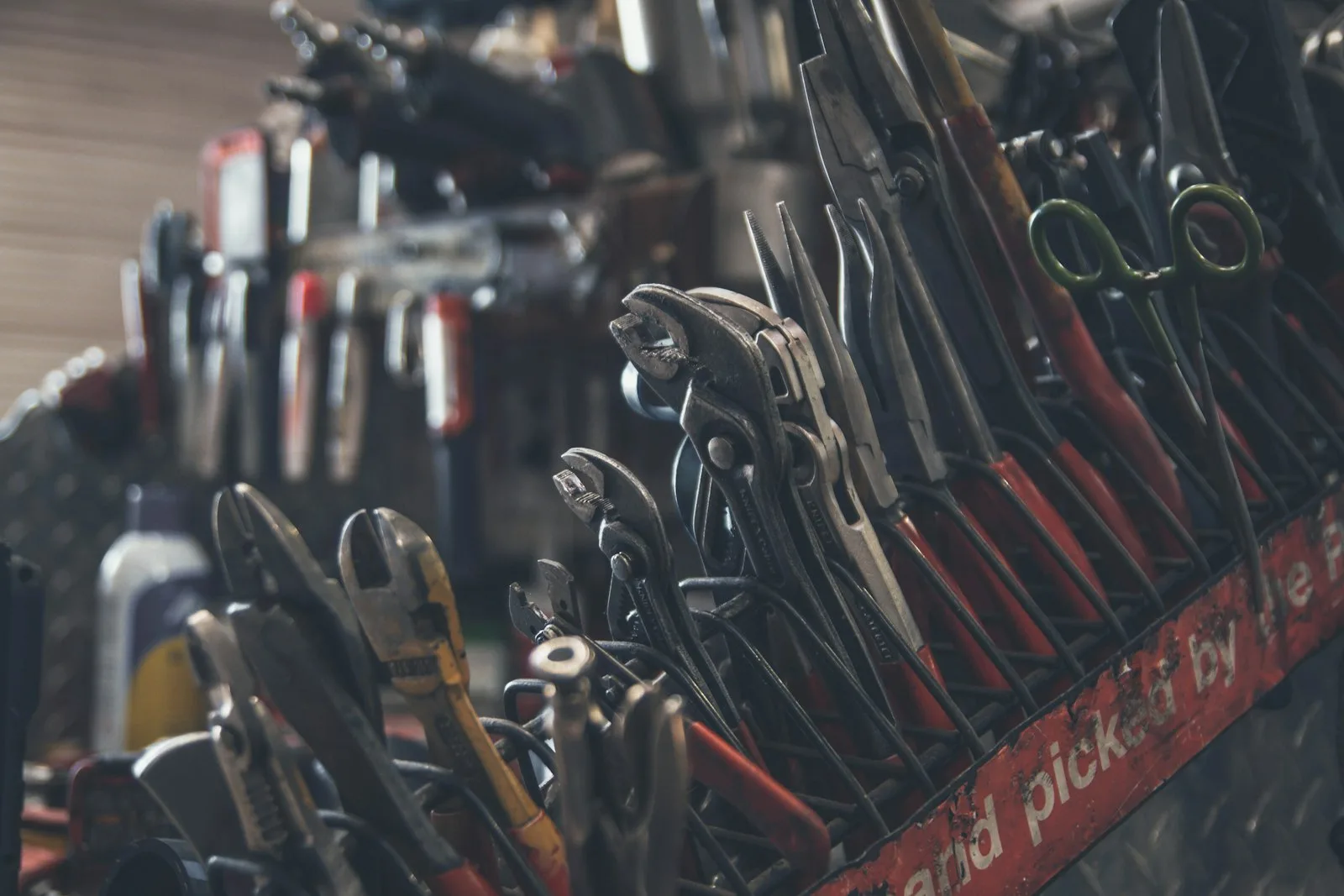
Pliers come in varieties serving different purposes. Slip-joint pliers handle general gripping and turning tasks. Needle-nose pliers reach into tight spaces and bend wire. Locking pliers grip and hold items with tremendous force. Tongue-and-groove pliers adjust to grip various sized objects firmly. A quality set covering these types handles most plier-requiring tasks.
Wrenches turn nuts and bolts that pliers would damage. Combination wrenches with open ends and box ends in common sizes cover most needs. Adjustable wrenches supplement fixed sizes for odd dimensions. Socket sets with ratchets speed work on multiple fasteners of the same size.
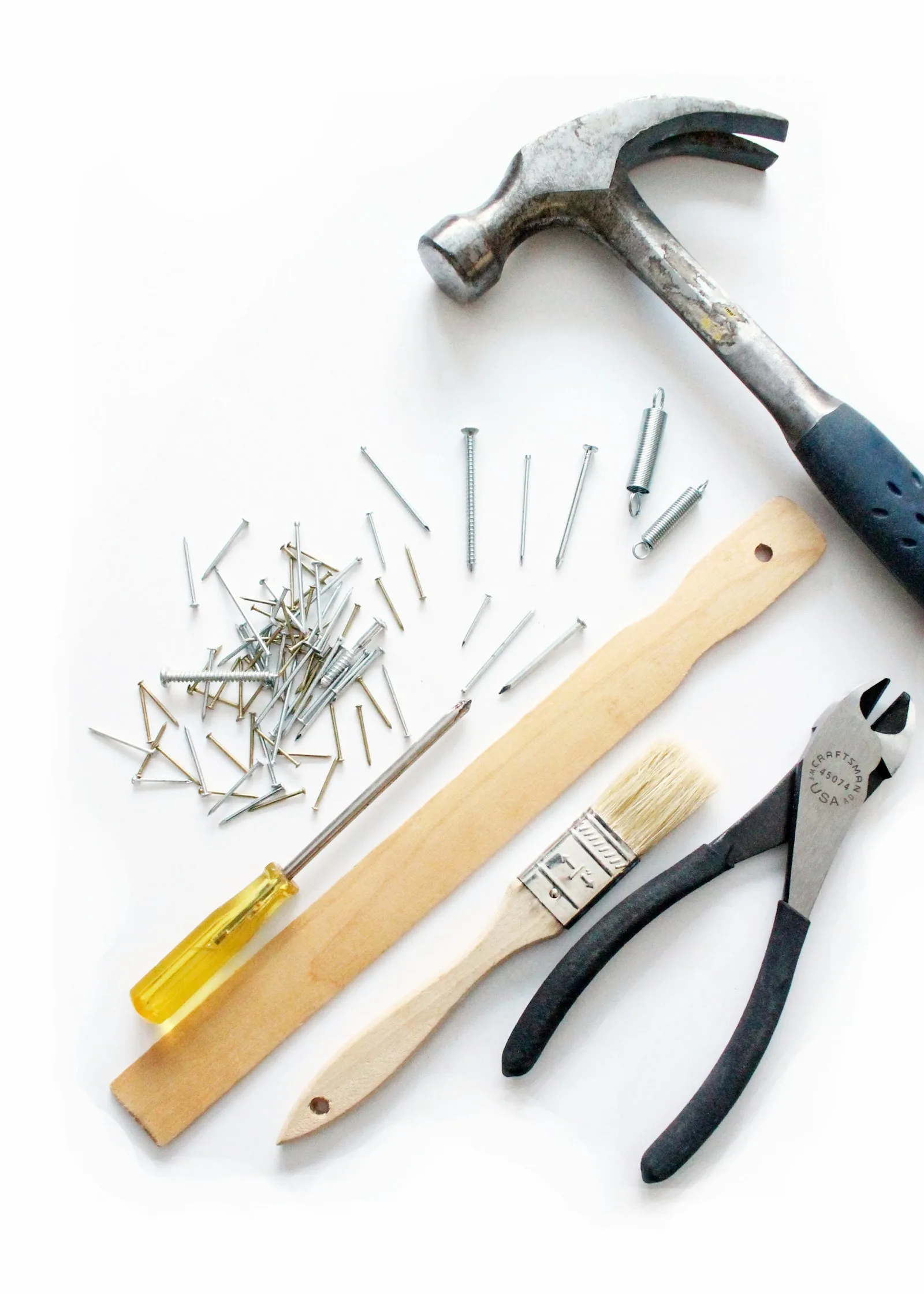
Hammers serve purposes beyond just driving nails. A quality 16-ounce claw hammer handles most homeowner tasks, driving nails and extracting them when necessary. Rubber mallets provide force without damage for assembly tasks. Dead blow hammers deliver impact without bounce for striking without control loss.
Measuring and layout tools ensure accuracy that makes projects successful. Quality tape measures in 25-foot lengths handle most home measurements. Combination squares check angles and mark cut lines. Levels confirm horizontal and vertical alignment critical for countless projects.
Quality Saw Selection for Cutting Tasks
Cutting materials is fundamental to most DIY projects. Whether trimming boards, opening walls, or making precise cuts for trim work, having appropriate saws makes projects possible and enjoyable rather than frustrating.
Circular saws provide power and portability for cutting lumber and sheet goods. A 7-1/4-inch blade handles materials up to about 2-1/2 inches thick at 90 degrees. Quality circular saws include features like laser guides, dust blowers, and bevel adjustment for angled cuts. Corded models provide consistent power while cordless versions offer freedom from outlets and cords.
Hand saws retain value for situations where power saws are impractical or unnecessary. Quality crosscut saws make clean cuts across wood grain. Japanese pull saws provide exceptional control for precise cuts. Coping saws handle curves and interior cuts that straight saws cannot make. Hacksaw frames with appropriate blades cut metal pipes, bolts, and other hardware.
Jigsaws cut curves and interior cuts that circular saws cannot accomplish. Blade changes allow cutting wood, metal, and various other materials. Variable speed settings and orbital action controls adapt to different materials and cut requirements. Jigsaws complement circular saws by handling cuts beyond their capability.
Miter saws bring precision to angled cuts for trim, framing, and furniture projects. These stationary tools make accurate, repeatable cuts that would challenge other methods. While representing a larger investment than basic saws, miter saws dramatically improve results for anyone doing significant woodworking or trim work.
Oscillating multi-tools perform cuts in awkward locations where conventional saws cannot reach. Flush-cut blades allow cutting pipes, nails, and other materials tight against surfaces. Sanding and scraping attachments expand versatility beyond cutting. These tools solve problems that other tools cannot address efficiently.
Safety Equipment That Protects You
No tool collection is complete without safety equipment that protects you from common workshop hazards. Neglecting safety gear risks injuries that no project is worth. Proper protection should be standard procedure for any work session.
Eye protection guards against debris, dust, and splashing materials that can cause serious eye injuries. Safety glasses with side shields provide basic protection for most tasks. Safety goggles seal completely around eyes for dusty environments or chemical exposure. Face shields add full-face protection for grinding, cutting, and similar tasks. Keep multiple pairs accessible so protection is always convenient.
Hearing protection prevents cumulative damage from loud power tools. Power saws, impact drivers, and other tools generate noise levels that cause permanent hearing loss with repeated exposure. Foam earplugs provide inexpensive, disposable protection. Over-ear muffs offer consistent protection and can combine with earplugs in extremely loud environments. Electronic muffs allow conversation while blocking loud sounds.
Respiratory protection guards against dust, fumes, and particles that harm lungs. Simple dust masks filter large particles during sanding and sweeping. N95 respirators provide better filtration for finer particles. Cartridge respirators with appropriate filters address chemical fumes and specialized hazards. Match protection to specific hazards you'll encounter.
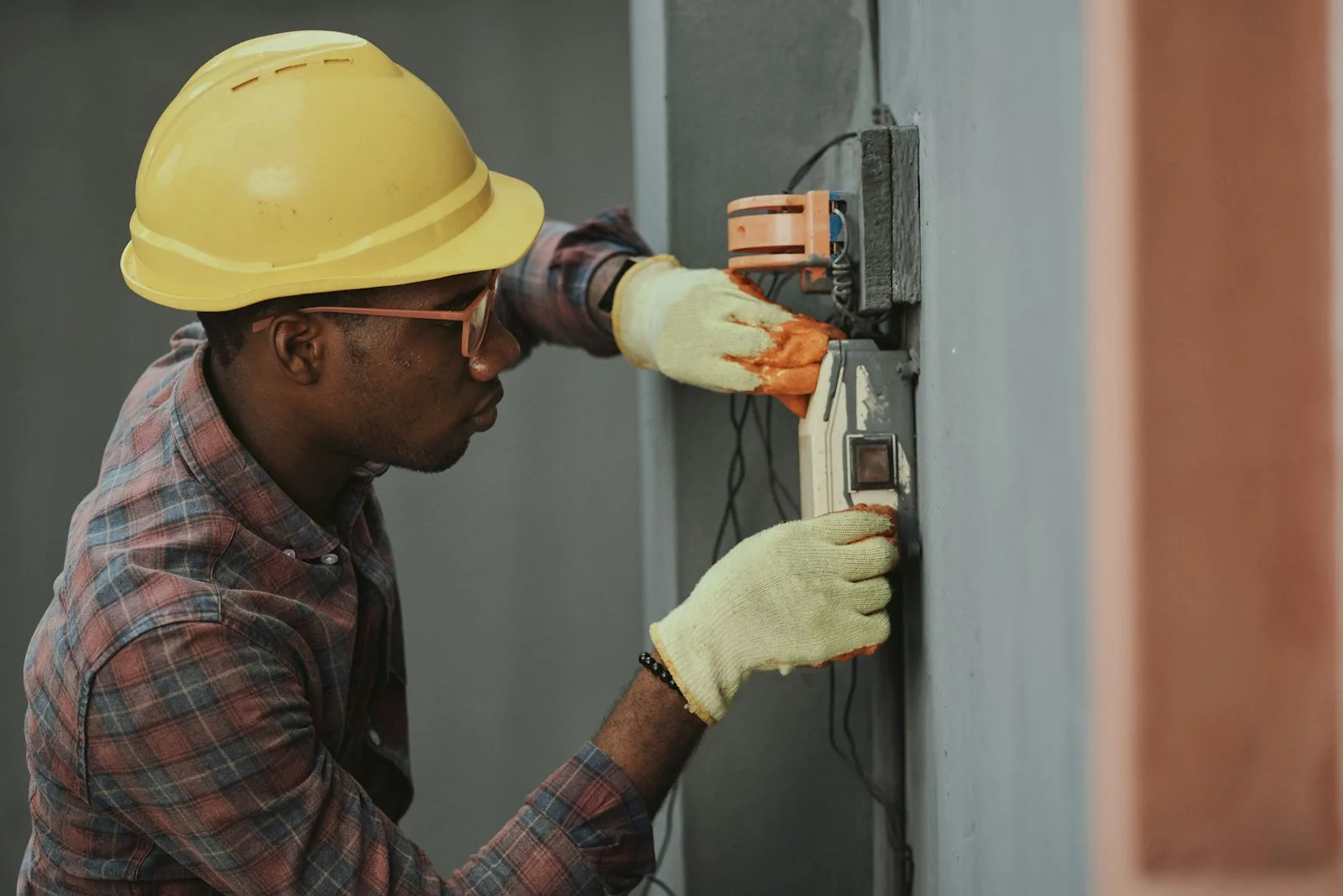
Hand protection prevents cuts, abrasions, and chemical exposure. Work gloves for general tasks protect against rough materials and minor hazards. Cut-resistant gloves provide additional protection for blade work. Chemical-resistant gloves are essential when working with solvents, adhesives, and finishes. Different tasks require different protection levels.
First aid supplies allow prompt treatment of minor injuries that inevitably occur. Stock bandages, antiseptic, burn treatment, and basic supplies. Know where supplies are located so treatment doesn't require searching during emergencies. Take first aid training to handle common injuries confidently.
Electrical Testing and Specialty Tools
Certain specialized tools address specific needs that general tools cannot handle. Building a collection of these specialty items expands your capability to tackle diverse projects safely and successfully.
Voltage testers and multimeters verify electrical safety and diagnose problems. Non-contact voltage testers detect live wires without requiring physical contact with conductors. Multimeters measure voltage, current, and resistance for diagnosing electrical issues and verifying repair success. These tools are essential for any electrical work and cost little compared to the safety they provide.
Stud finders locate framing behind drywall for secure mounting of heavy items. Electronic models detect density changes indicating stud edges. Advanced versions also locate wiring and pipes behind walls. Proper stud finding prevents failed mountings and potential damage to hidden utilities.
Caulk guns apply sealants and adhesives essential for weatherproofing and finishing work. Quality caulk guns provide smooth, consistent pressure and clean release when trigger pressure stops. Dripless designs prevent waste and mess. Rotating frames allow reaching awkward angles.
Utility knives handle countless cutting tasks around the home. Retractable blade designs provide safety when tools are in pockets or drawers. Quick-change mechanisms allow fast blade replacement without tools. Quality utility knives feel comfortable during extended use and provide secure grip.
Pry bars and demolition tools enable removal and renovation work. Flat bars provide leverage for removing trim, opening crates, and separating materials. Cat's paws extract nails without damaging surrounding surfaces. Larger pry bars and wrecking bars handle demolition tasks. Having appropriate demolition tools prevents improvising with tools that get damaged or create injuries.
Organization and Storage Solutions
The best tools provide no benefit if you cannot find them when needed. Organizing and storing tools properly protects your investment, saves time, and makes projects more enjoyable by eliminating searches for missing items.
Tool boxes and bags provide portable storage that keeps frequently used items together and accessible. Traditional metal tool boxes protect contents and stack securely. Soft-sided tool bags offer flexibility and often include external pockets for small items. Larger rolling tool chests store extensive collections while remaining mobile.
Wall-mounted storage systems keep tools visible and accessible while freeing floor space. Pegboard systems allow flexible arrangement with hooks and accessories. Slat wall systems provide similar flexibility with a more finished appearance. French cleat systems support heavy items and custom configurations.
Drawer organizers keep small items sorted and findable. Adjustable dividers customize compartments to fit your specific items. Foam tool organizers with custom cutouts display tools while immediately revealing when something is missing.
Labeling systems identify storage locations so items return to consistent homes. Label makers create durable, professional-looking labels. Consistent labeling throughout your workspace maintains organization over time. Include labels on containers whose contents aren't visible from outside.
Regular maintenance preserves tool function and longevity. Clean tools after use to prevent rust and buildup. Oil moving parts and cutting edges periodically. Replace worn components before they fail during critical tasks. Stored properly and maintained regularly, quality tools last for decades.
Building Your Collection Strategically
Building a complete tool collection takes time and investment. Strategic approaches to acquisition get you working capability faster while avoiding wasteful purchases.
Buy quality tools you'll use frequently and economy versions for occasional needs. A professional-grade drill you'll use hundreds of times justifies its premium price. A specialized tool for one project doesn't need the same investment. Match quality to anticipated use intensity.
Start with basics and expand as projects require. The core tools described here handle most common homeowner tasks. Specialty tools make sense when specific projects demand them, not in anticipation of possible future needs. This approach prevents accumulating unused tools while ensuring you have what you need when you need it.
Consider tool rental for expensive equipment used rarely. Demolition tools, concrete equipment, and specialty power tools often make more sense to rent than own. Rental stores provide well-maintained equipment and often offer guidance for unfamiliar tools.
Watch for sales, but buy quality. Black Friday, holiday sales, and store promotions offer genuine savings on quality tools. However, cheap tools at any price often prove frustrating to use and fail prematurely. Buy the best quality you can afford rather than simply the lowest price.
Your tool collection represents capability to handle whatever your home requires. Building it thoughtfully over time creates resources that serve you for years, saving money on service calls while providing the satisfaction of self-reliance. Start with the essentials, expand as needs arise, and maintain what you have. Your future self will appreciate the investment.
Topfind Realty, DRE # 02240815, is a licensed real estate broker in California. Topfind Realty pledges to support the Fair Housing Act and adhere to Equal Housing Opportunity laws.