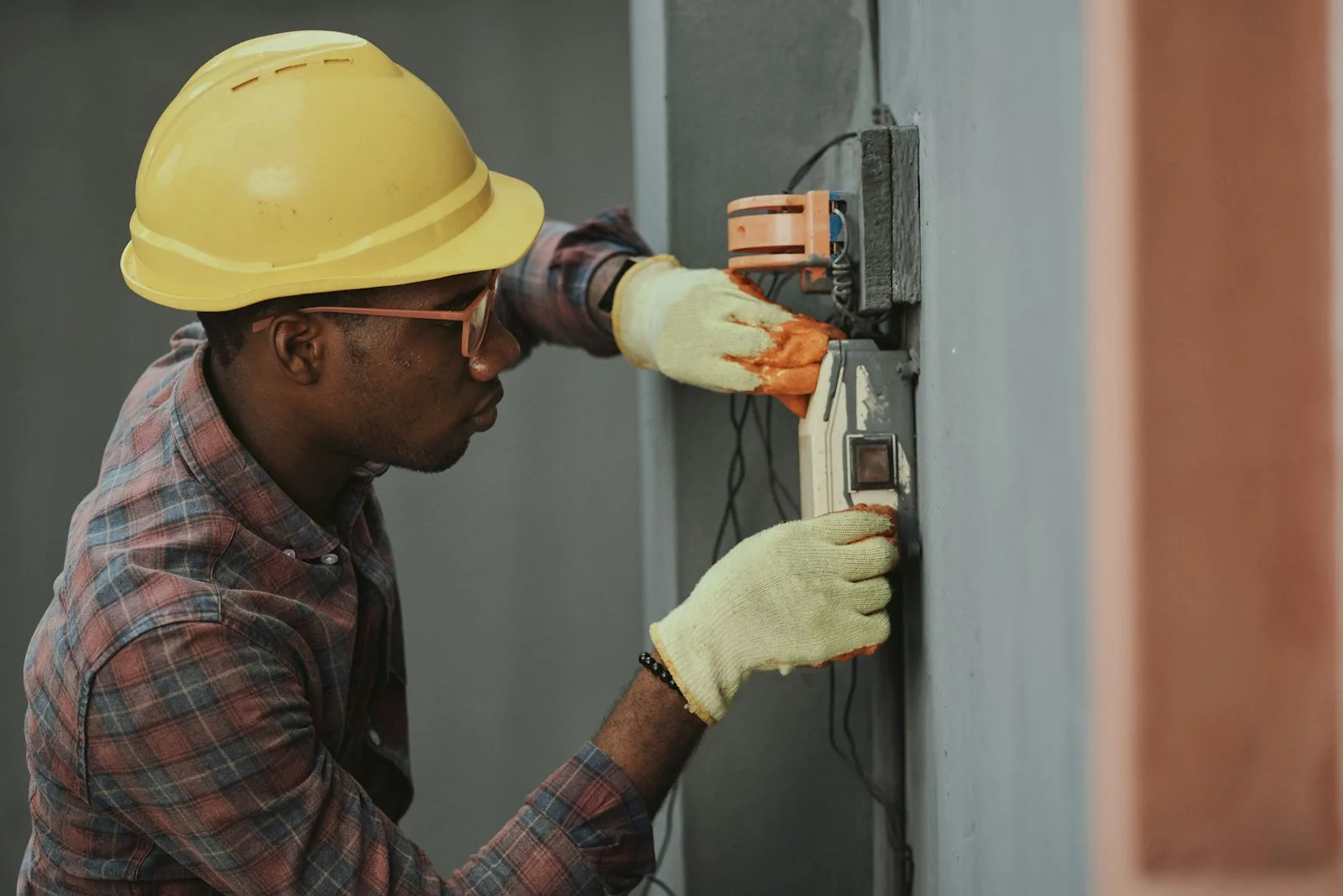
Electrical systems power modern life, from lighting and appliances to entertainment and climate control. While major electrical work requires licensed professionals, homeowners who understand basic electrical concepts and skills can safely handle many common repairs and improvements. Developing these skills saves money on service calls, enables quick fixes, and deepens your understanding of your home's most essential system. This comprehensive guide covers the fundamental electrical knowledge and skills every DIY homeowner should possess.
Understanding Electrical Fundamentals
Before attempting any electrical work, understanding how electricity works in your home provides essential context for safe and effective repairs. These fundamentals inform every task you'll undertake.
Electricity flows through your home from the utility service to the electrical panel, then through branch circuits to outlets, switches, and fixtures throughout the house. The panel contains circuit breakers that protect each circuit from overloading and allow you to shut off power to specific areas. Understanding this flow helps you work safely and troubleshoot problems effectively.
Voltage represents electrical pressure, measured in volts. Most home circuits operate at 120 volts, while large appliances like dryers and ranges use 240-volt circuits. Amperage measures electrical current flow. Wire sizes must match circuit amperage to prevent overheating. Wattage indicates power consumption, calculated by multiplying volts times amps. Understanding these relationships helps you make safe decisions about circuits and loads.
Color coding identifies wire functions throughout residential electrical systems. Black and red wires carry current from the panel to devices and are always considered hot even when the circuit is off. White wires serve as neutral conductors, completing circuits back to the panel. Green or bare copper wires provide grounding, offering safety paths for fault current. Following these standards ensures correct connections and system safety.
Electrical codes exist to protect lives and property. While homeowners can legally perform certain electrical work in most jurisdictions, all work must meet current codes. Permit requirements vary by location and project scope. When in doubt about code requirements or your abilities, consult local authorities or hire licensed electricians.
Electrical work carries inherent dangers that proper safety practices mitigate. These precautions must become automatic habits before undertaking any electrical task.
Always turn off power before working on any electrical component. Locate the correct circuit breaker and switch it fully to the off position. Never trust that a light switch or appliance switch adequately disconnects power. Post a note on the panel warning others not to restore power while you work. These steps prevent accidental energization during repairs.
Verify power is off using a non-contact voltage tester. These affordable devices detect electrical fields without requiring physical contact with conductors. Test the tester on a known live circuit before relying on its indication that power is off. Check all wires in the box, as multiple circuits sometimes share single boxes.
Use appropriate personal protective equipment for electrical work. Safety glasses protect against debris and potential arc flash. Insulated tools with rated voltage protection provide additional safety margins. Rubber-soled shoes prevent grounding through your feet. Working on dry surfaces further reduces shock risk.
Never work on electrical systems when tired, rushed, or impaired. Mistakes happen when attention lapses. If you feel uncertain about any aspect of a repair, stop and research further or call a professional. No repair is worth risking injury or death from electrical shock or fire.
Know when to stop and call professionals. Work involving the main panel, service entrance, 240-volt circuits, or any situation where you feel uncertain exceeds appropriate DIY scope. Licensed electricians carry training, insurance, and accountability that protect you and your property.
Replacing Electrical Outlets
Outlet replacement represents one of the most common DIY electrical tasks. Whether upgrading to grounded outlets, adding USB charging capability, or replacing damaged receptacles, this skill serves homeowners frequently.
Standard duplex outlets accept two plugs and come in 15-amp and 20-amp varieties. Match replacement outlets to existing circuit amperage. 15-amp outlets have two vertical slots of equal size plus a ground hole. 20-amp outlets feature one T-shaped slot accommodating both 15-amp and 20-amp plugs. Using undersized outlets creates fire hazards.
Begin by turning off power and verifying it's off with a voltage tester. Remove the cover plate and unscrew the outlet from the electrical box. Carefully pull the outlet out, noting how wires connect. Take photos before disconnecting anything for reference during reinstallation.
Disconnect wires from the old outlet. Back-wired connections release when you insert a small screwdriver into release slots. Side-wired connections require loosening terminal screws. Note which wires connected to brass terminals (hot), silver terminals (neutral), and green terminals (ground).
Connect wires to the new outlet following proper conventions. Hot wires attach to brass-colored terminals. Neutral wires connect to silver terminals. Ground wires attach to the green ground screw. Wrap wires clockwise around terminal screws so tightening pulls wire in rather than pushing it out.
Carefully fold wires back into the box and secure the outlet with mounting screws. Install the cover plate and restore power. Test the outlet using a plug-in outlet tester that verifies correct wiring and proper grounding.
Replacing Light Switches
Light switches see heavy use and eventually wear out, developing loose toggles, failing to make consistent contact, or looking outdated. Replacing them improves function and appearance while teaching fundamental wiring skills.
Single-pole switches control lights from one location and have two brass terminal screws plus a ground. Three-way switches work in pairs to control lights from two locations and have two brass travelers plus a common terminal identified by a different color. Four-way switches work between three-way pairs for control from three or more locations. Identify switch type before purchasing replacements.
Turn off power and verify using a voltage tester. Remove the cover plate and unscrew the switch from the box. Pull the switch out and examine how wires connect before disconnecting. With three-way switches, clearly mark which wire connects to the common terminal, as this connection is critical for proper operation.
Disconnect existing wires and connect them to the new switch following original configuration. For single-pole switches, either brass terminal can receive either hot wire. For three-way switches, the common wire must connect to the common terminal, typically identified by a different screw color or label.
Smart switches and dimmer switches require neutral connections that some older installations lack. Check compatibility with your existing wiring before purchasing. Dimmer switches must match the bulb type they'll control, with LED-compatible dimmers required for LED bulbs.
Push the switch back into the box, secure with mounting screws, install the cover plate, and restore power. Test operation thoroughly, checking all switch locations for three-way or four-way configurations.
Installing Light Fixtures
Updating light fixtures transforms room appearance while teaching skills applicable to ceiling fans, chandeliers, and other ceiling-mounted electrical devices. This slightly more complex task rewards attention to detail.
Verify the existing electrical box supports your new fixture's weight. Standard boxes hold up to 35 pounds. Heavier fixtures require fan-rated boxes designed for additional weight and movement. Replacing boxes involves opening ceiling drywall and exceeds basic DIY scope.
Turn off power and verify it's off at the fixture. Remove the existing fixture by removing any decorative elements like globes, then unscrewing the mounting hardware. Support the fixture as you disconnect wires, noting connections. Set the old fixture aside carefully.
Mount the new fixture's bracket according to manufacturer instructions. Different fixtures use various mounting methods. Thread wires through the bracket before securing it. Leave enough wire length for easy connections without excess crowding the box.
Connect wires following standard color coding. Join black to black, white to white, and ground to ground using wire nuts. Strip wire ends to expose about half an inch of conductor. Insert wires together into nuts and twist clockwise until secure. Give wires a gentle tug to verify connections hold.
Mount the fixture to its bracket using provided hardware. Install bulbs appropriate for the fixture's specifications, avoiding exceeding maximum wattage ratings. Restore power and test operation. If the fixture doesn't work, turn off power and check all connections before investigating further.
Troubleshooting Common Electrical Problems
Understanding common electrical problems helps you diagnose issues and determine whether you can fix them yourself or need professional help.
Tripped circuit breakers indicate circuit overloads or faults. If a breaker trips, unplug devices on that circuit and reset by pushing firmly to off, then to on. If it trips again immediately, a short circuit or ground fault exists that requires professional diagnosis. Breakers that trip frequently need circuit evaluation for overloading or replacement if the breaker itself has failed.
Dead outlets often result from tripped GFCI outlets elsewhere on the circuit. Check bathrooms, kitchens, garages, and outdoor areas for GFCI outlets with tripped reset buttons. A single tripped GFCI can kill power to multiple regular outlets. If no tripped GFCI explains the outage, check for loose connections or failed outlet components.
Flickering lights suggest loose connections, overloaded circuits, or utility problems. If flickering affects the whole house, contact your utility company. If limited to certain fixtures, check bulb security and fixture connections. Pervasive dimming when large appliances start may indicate undersized service requiring professional upgrade.
Warm outlets or switches indicate problems requiring immediate attention. Turn off the circuit and discontinue use. Causes include loose connections, damaged devices, or overloaded circuits. Investigate carefully or hire an electrician before returning the circuit to service.
Burning smells or visible sparks signal serious problems. Turn off affected circuits immediately. Don't use the circuit until an electrician diagnoses and repairs the issue. These symptoms can precede electrical fires and demand professional attention.
Understanding Your Electrical Panel
Your electrical panel distributes power throughout your home and provides protection through circuit breakers. Understanding panel basics helps you work safely and troubleshoot effectively.
The main breaker controls all power to the panel and typically ranges from 100 to 200 amps for residential service. Turning off the main breaker de-energizes all circuits, though the service entrance wires above the main breaker remain live and dangerous. Never touch anything above the main breaker.
Branch circuit breakers protect individual circuits throughout your home. Standard breakers occupy single slots and handle 15 or 20-amp 120-volt circuits. Double-pole breakers occupy two slots and handle 240-volt circuits for large appliances. GFCI and AFCI breakers provide additional protection and have test buttons on their faces.
Panel labeling helps you identify which breaker controls which circuits. If your panel lacks clear labeling, create one by systematically turning off breakers and noting what loses power. This information proves invaluable during repairs and emergencies.
Panel capacity limits determine how many circuits you can add. Panels have limited slots for breakers, and adding circuits may require subpanels or panel upgrades. Heavily loaded panels require professional evaluation before modification.
Working with Wire and Connections
Proper wire handling and connection techniques ensure safe, reliable electrical work. These skills apply across all electrical projects.
Wire strippers remove insulation without damaging conductors. Match stripper gauge markings to wire gauge. Insert wire into the correct slot, squeeze handles, and pull to remove insulation. Nicked conductors can overheat and should be trimmed and re-stripped.
Wire connectors, commonly called wire nuts, join conductors securely. Match connector size to the number and gauge of wires being joined. Strip about half an inch of insulation from each wire. Hold wire ends parallel, insert into the connector, and twist clockwise until snug. Wires should not pull out with moderate tugging.
Push-in connectors offer tool-free connections for solid wire. These devices grip wires when inserted and release when small screwdrivers engage release mechanisms. While quick, some electricians prefer traditional wire nuts for their reliability.
Electrical tape provides supplementary insulation but shouldn't serve as primary protection. After making wire nut connections, wrapping tape around the nut and wire adds security. Tape also marks wires for identification and protects minor insulation damage.
Box fill calculations determine how many wires and devices fit in electrical boxes. Overfilled boxes create hazards through cramped connections and damaged insulation. Larger boxes accommodate more wires safely. When in doubt, use bigger boxes.
Building Your Electrical Knowledge and Skills
Developing electrical competence takes time and progressive experience. Building skills systematically prepares you for increasingly complex projects while maintaining safety.
Start with simple projects like outlet and switch replacements. These tasks teach fundamental techniques in relatively forgiving contexts. Success builds confidence while developing habits around safety practices and proper procedures.
Study residential electrical systems through books, videos, and online resources. Understanding the complete picture helps you troubleshoot and recognize situations beyond your current abilities. Local home improvement stores often offer workshops covering electrical basics.
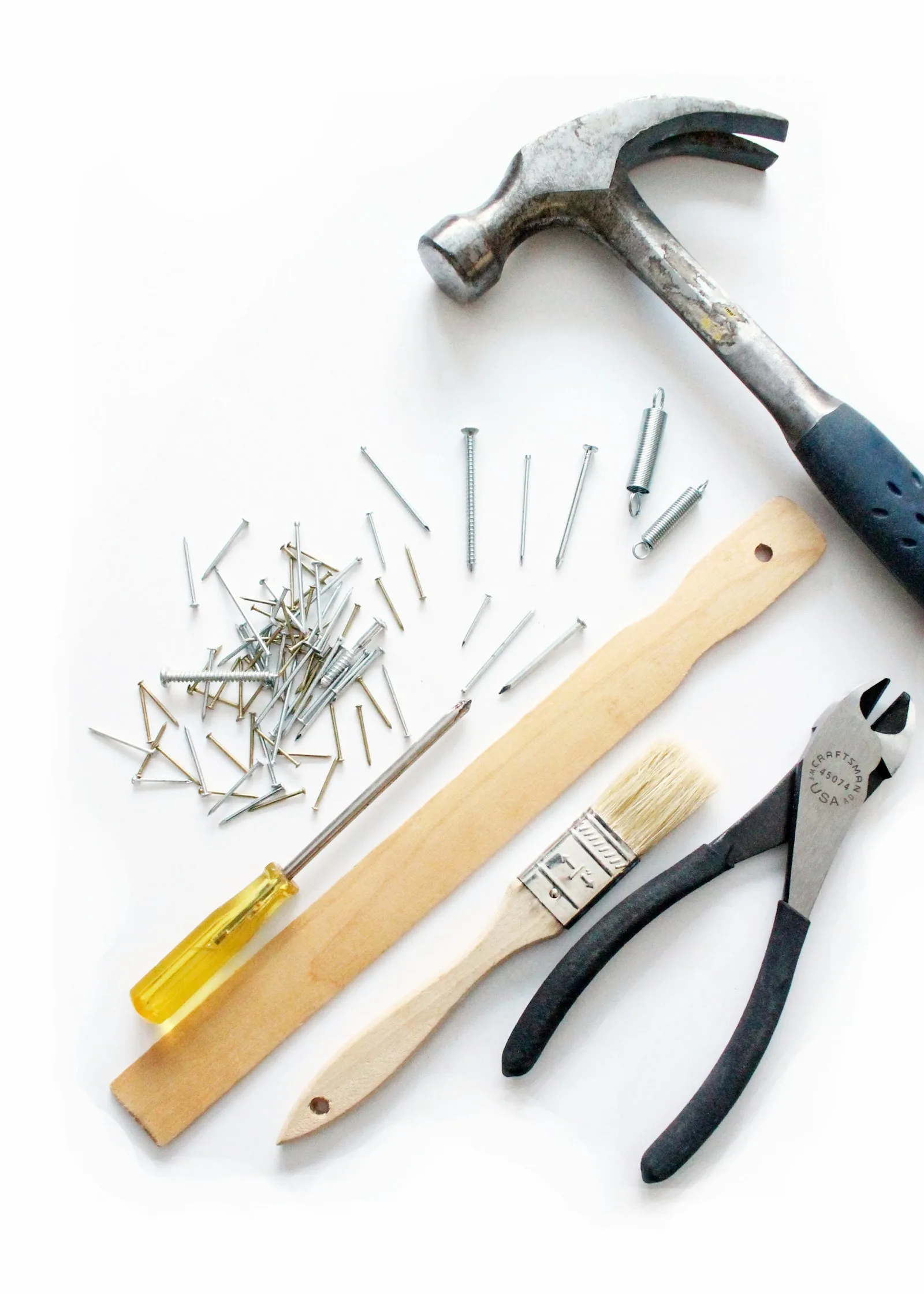
Invest in quality tools designed for electrical work. Insulated screwdrivers, quality wire strippers, reliable voltage testers, and proper pliers make work safer and easier. Cheap tools frustrate and potentially endanger users.
Know your limits and respect them. The skills covered here represent a foundation, not permission to attempt complex work. Panel modifications, new circuit installation, service changes, and anything involving permits should involve licensed electricians.
Your home's electrical system demands respect and careful attention. The knowledge and skills covered here enable you to maintain and improve your electrical infrastructure while staying safe. Approach each project methodically, prioritize safety absolutely, and don't hesitate to call professionals when situations exceed your abilities. With proper preparation and caution, basic electrical skills serve homeowners well throughout their time in any property.
Topfind Realty, DRE # 02240815, is a licensed real estate broker in California. Topfind Realty pledges to support the Fair Housing Act and adhere to Equal Housing Opportunity laws.