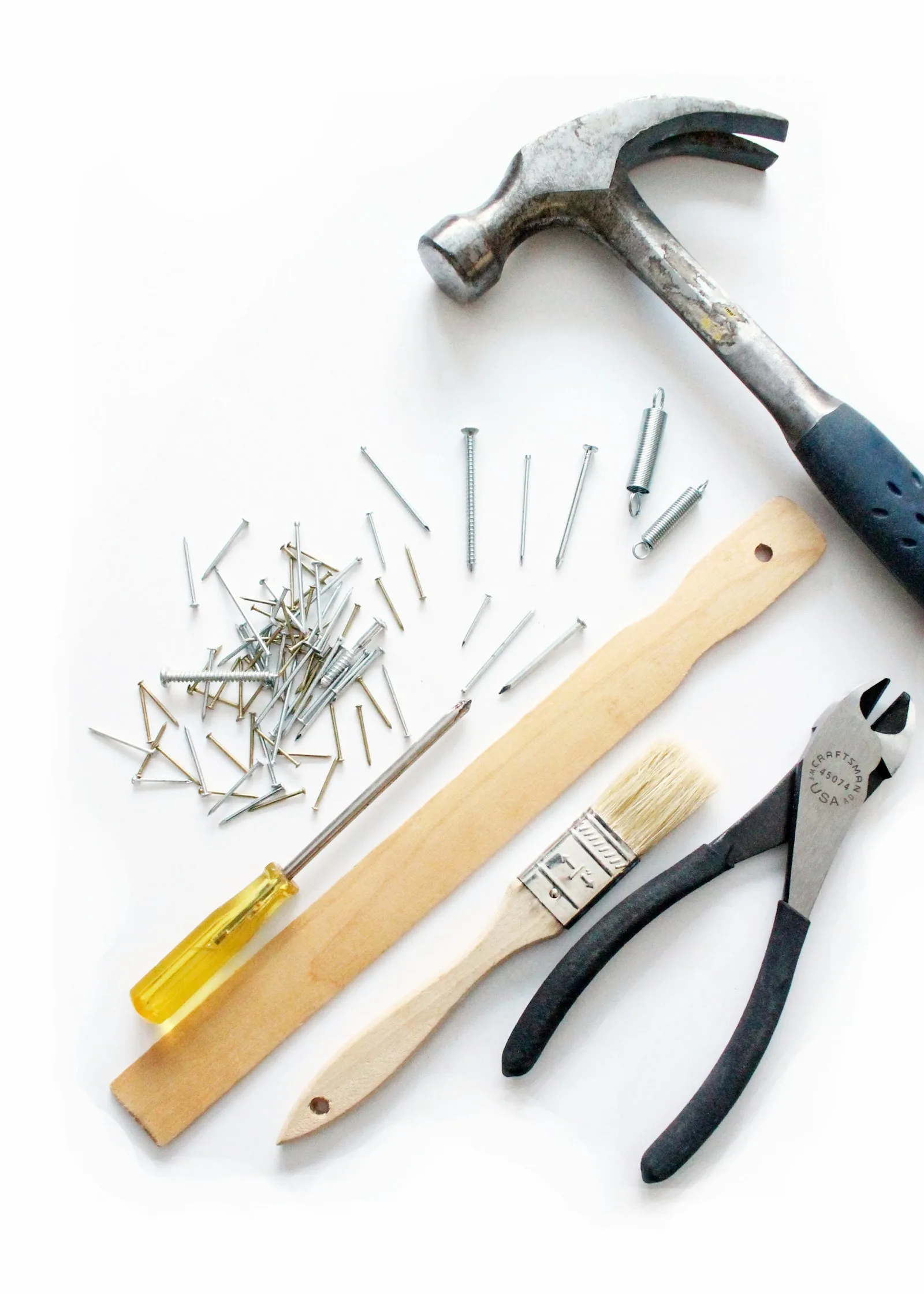
Becoming a homeowner opens up a world of possibilities for personalizing your space and developing valuable skills. Unlike renting, where modifications require landlord approval and your improvements benefit someone else, homeownership lets you transform your property according to your vision. Starting with manageable DIY projects builds confidence, saves money, and creates a home that truly reflects your personality. This guide explores the best projects for new homeowners ready to pick up tools and get started.
Painting Rooms to Transform Your Space
No DIY project delivers more dramatic results with less technical skill than painting. A fresh coat of paint transforms dated rooms, covers previous owners' color choices, and allows you to express your personal style throughout your home. Painting also teaches fundamental skills that apply to many other projects.
Start by selecting quality paint that matches your needs. Different rooms require different finishes. Flat or matte finishes hide wall imperfections and work well in low-traffic areas like bedrooms. Eggshell and satin finishes offer slight sheen with better cleanability for living rooms and hallways. Semi-gloss and gloss finishes resist moisture and clean easily, making them ideal for kitchens, bathrooms, and trim work.
Proper preparation determines your painting success more than technique. Remove switch plates and outlet covers. Fill nail holes and repair any wall damage with spackle. Sand rough spots smooth. Clean walls to remove dust, cobwebs, and any grease. Apply painter's tape carefully along trim, ceilings, and anywhere you want clean lines. Laying drop cloths protects floors and furniture from drips and spatters.
Invest in quality tools for better results. A good brush cuts in cleanly along edges. Quality roller covers apply paint evenly without leaving lint or texture problems. Extension poles eliminate ladder climbing for ceiling work. Paint trays with liners speed cleanup. Having the right tools makes the job easier and produces professional-looking results.
Technique matters for achieving smooth, even coverage. Cut in edges first using a brush, painting along corners, trim, and anywhere rollers can't reach. Load your roller evenly and apply paint in a W or M pattern before filling in. Work in sections while maintaining wet edges to avoid lap marks. Two coats typically provide optimal coverage and durability.
Installing New Light Fixtures
Outdated light fixtures instantly date otherwise attractive rooms. Swapping fixtures provides a quick win that dramatically updates your home's appearance. This project introduces basic electrical work while remaining approachable for beginners.
Safety comes first with any electrical project. Always turn off power at the circuit breaker before beginning work. Test with a voltage tester to confirm power is off. Never trust that a switch position means the circuit is dead. These precautions prevent dangerous shocks and should become automatic habits.
Removing old fixtures follows a standard process. Support the fixture to prevent it from falling when you disconnect it. Remove any decorative elements like globes or shades. Unscrew the mounting hardware holding the fixture to the ceiling box. Carefully lower the fixture and disconnect the wires by removing wire nuts. Note which wires connected to which, typically black to black, white to white, and green or bare copper as ground.
Installing new fixtures reverses this process. Connect wires following the manufacturer's instructions and matching your old connections. Typically, you'll join black to black, white to white, and connect the ground wire to the ground screw or wire. Secure connections with wire nuts and tuck wires neatly into the electrical box. Mount the new fixture according to its specific hardware design. Install bulbs and any decorative elements before restoring power and testing.
Upgrading to LED fixtures or bulbs saves energy and reduces replacement frequency. Smart fixtures controlled via smartphone or voice assistant add convenience and can change your lighting with your mood or activities. Dimmer switches pair well with new fixtures to create ambiance control.
Replacing Cabinet Hardware
Kitchen and bathroom cabinet hardware accumulates style trends like geological layers. Previous owners' taste choices don't need to remain your reality. Replacing knobs and pulls offers one of the simplest yet most impactful DIY upgrades available.
Evaluate your current hardware before shopping. Measure the distance between screw holes on pulls, as this dimension must match your replacements unless you want to drill new holes. Note screw lengths and diameters. Take photos to your home improvement store for reference when selecting new options.
Shopping for cabinet hardware reveals endless choices in styles, finishes, and price points. Brushed nickel and matte black remain popular in 2026, offering neutral sophistication that complements various design styles. Brass has made strong comebacks for those wanting warmth. Consider coordinating with other finishes in the room, like faucets or light fixtures, for cohesive design.
Installation requires only a screwdriver in most cases. Remove existing hardware by unscrewing from inside the cabinet or drawer. Clean any buildup around old hardware locations. Install new pieces by inserting screws from inside and tightening knobs or pulls from outside. Avoid overtightening, which can strip screw holes or damage cabinet faces.
If desired pulls have different hole spacing than your existing holes, you'll need to drill new holes and fill old ones. Use a drill guide for straight, properly positioned holes. Fill old holes with wood filler, let dry, and touch up with paint or stain to match cabinets.
Installing a Programmable or Smart Thermostat
Upgrading your thermostat saves energy, reduces utility bills, and adds convenience to daily life. Modern smart thermostats learn your preferences, adjust automatically, and let you control heating and cooling from anywhere via smartphone. This project provides practical value while teaching basic HVAC electrical work.
Before purchasing, verify compatibility between your new thermostat and your HVAC system. Most thermostats work with standard heating and cooling systems, but heat pumps, multi-stage systems, and some older equipment have specific requirements. Check manufacturer compatibility tools or consult HVAC documentation.
Turn off power to your HVAC system at the breaker before beginning. Remove your old thermostat cover and photograph the existing wire connections. Labels on terminals indicate which wire connects where. Note the terminal letter for each wire color, as your new thermostat will reference these same designations.
Remove the old mounting plate after disconnecting wires. Install the new base plate, threading wires through it before securing to the wall. Connect wires to matching terminals on the new thermostat according to manufacturer instructions. Mount the thermostat unit to its base plate and restore power.
Smart thermostats require WiFi setup through their respective apps. Follow app instructions to connect to your network and configure preferences. Set schedules, program temperature preferences, and explore features like geofencing, which adjusts temperature based on whether you're home. Learning thermostats need a few days to understand your patterns before optimization begins.
Building Simple Shelving
Custom shelving solves storage problems while adding character to your home. Building basic shelves introduces woodworking concepts and creates functional additions tailored to your specific spaces and needs.
Floating shelves provide a popular starting point for new DIYers. These shelves mount flush against walls without visible brackets, creating clean, modern appearances. Kits containing hollow shelves with hidden mounting brackets simplify installation while teaching proper wall anchoring techniques.
Finding wall studs ensures secure mounting for shelves bearing significant weight. Electronic stud finders quickly locate framing behind drywall. Mounting into studs provides the strongest hold. When studs aren't positioned where you need them, wall anchors rated for your expected load provide alternatives for drywall mounting.
Level installation makes or breaks shelving appearance. Use a spirit level to ensure horizontal mounting. Mark your mounting holes with a level in position. Double-check before drilling. Nothing ruins custom shelving aesthetics like visibly crooked installation.
Beyond kits, building shelves from lumber teaches measuring, cutting, and finishing skills. Simple designs using boards supported by brackets are accessible starting points. As skills develop, more complex projects like built-in bookcases become achievable. Each project builds on previous experience.
Caulking Bathrooms and Kitchens
Caulk seals gaps around tubs, sinks, countertops, and anywhere water might penetrate behind surfaces. Old caulk deteriorates, cracks, and grows mold, creating both aesthetic issues and potential water damage. Recaulking maintains waterproof barriers and freshens room appearance.
Removing old caulk completely prepares surfaces for new applications. Caulk removal tools help scrape away old material without damaging surrounding surfaces. Utility knives work for stubborn sections. After mechanical removal, clean residue with rubbing alcohol or a caulk remover product. Surfaces must be completely clean and dry before applying new caulk.
Selecting appropriate caulk matters for durability and appearance. Silicone caulk offers the best waterproofing and flexibility for bathrooms and kitchens. It resists mold and mildew better than latex alternatives. For paintable applications, acrylic latex caulk works well but isn't suitable for wet areas. Color-matched caulk creates seamless appearances.
Application technique determines results. Cut the caulk tube tip at a 45-degree angle, making a small opening for thin beads. Use a caulk gun for consistent pressure and control. Apply steady pressure while moving smoothly along the joint. Tool the bead immediately with a wet finger or caulk finishing tool to create smooth, concave shapes that shed water.
Allow proper curing time before exposing new caulk to water. Silicone caulk typically needs 24 hours to cure fully. Follow manufacturer recommendations for your specific product. Rushing this step undermines waterproofing effectiveness.
Installing Window Treatments
Bare windows signal a house still becoming a home. Installing curtains, blinds, or shades provides privacy, controls light, improves energy efficiency, and adds finished style to every room. This straightforward project delivers immediate visual impact.
Measure windows carefully before purchasing treatments. Inside-mount blinds fit within the window frame, requiring precise measurements of width and height at multiple points since frames aren't always perfectly square. Outside-mount treatments cover the frame entirely and can be sized to preferences. Curtains require measuring from rod placement to desired length.
Hardware installation varies by treatment type. Curtain rods mount using brackets screwed into walls or window frames. Position brackets to allow curtains to stack beside windows when open, maximizing natural light. Blinds mount inside or outside window frames using included brackets and screws. Follow manufacturer instructions for proper placement.
Level installation matters tremendously for window treatments. Crooked blinds or uneven curtain rods create distracting visual errors. Use a level when marking bracket positions. Measure distances from ceiling or window top at both bracket locations to ensure even placement.
Consider energy efficiency when selecting treatments. Cellular shades trap air in honeycomb pockets, insulating windows against heat transfer. Blackout curtains with thermal backing reduce heating and cooling costs while blocking light completely. These functional benefits complement the aesthetic improvements window treatments provide.
Creating a Gallery Wall
Blank walls feel incomplete while cluttered arrangements look chaotic. Gallery walls display collections of art, photographs, and meaningful objects in intentionally designed arrangements that create visual interest without overwhelming spaces.
Plan your arrangement before putting holes in walls. Lay out frames on the floor to experiment with positioning. Trace frame shapes onto kraft paper and tape them to the wall to visualize the final arrangement. This planning prevents unnecessary holes and ensures satisfying results.
Consistent spacing creates cohesive arrangements. Maintain equal gaps between frames throughout your gallery. Two to three inches typically works well for most arrangements. Using consistent mat colors or frame styles also unifies diverse images into coherent collections.
Various layout styles suit different spaces and collections. Grid arrangements align frames in precise rows and columns, creating formal, contemporary looks. Salon-style arrangements cluster various sizes in organic groupings reminiscent of classic galleries. Linear arrangements place frames in single rows, often above furniture like sofas or dining tables.
Proper hanging hardware prevents damage and ensures security. Picture hooks distribute weight better than nails alone. Heavy frames require anchors or stud mounting. Level each piece individually, as arrangements look sloppy when individual frames hang crooked even within properly planned layouts.
Basic Plumbing Repairs
Dripping faucets, running toilets, and slow drains waste water, increase bills, and grow worse when ignored. Basic plumbing repairs fall well within DIY capability while saving significant money compared to service calls.
Dripping faucets usually need new washers, O-rings, or cartridges depending on faucet type. Turn off water supply valves beneath the sink before disassembly. Remove handles and interior parts, keeping track of order and orientation. Take old parts to a hardware store for matching replacements. Reassemble in reverse order and test.
Running toilets commonly result from faulty flappers or fill valves. Lift the tank lid and observe the mechanism during flushing. Flappers that don't seal properly let water continuously leak into the bowl. Fill valves that don't shut off properly cause constant running. Both parts are inexpensive and simple to replace with universal kits available at any hardware store.
Slow drains often clear with simple methods before requiring professional help. Plungers work for many clogs when used properly, creating pressure that dislodges blockages. Drain snakes physically break through or retrieve obstructions. Enzymatic drain cleaners maintain clear pipes better than harsh chemical alternatives. Regular maintenance prevents most serious clogs.
Knowing when to call professionals prevents DIY disasters. Water main issues, sewer line problems, and anything involving permits or code compliance warrant professional attention. When uncertain about a repair's complexity or safety, consulting a plumber protects your home and your health.
Getting Started on Your DIY Journey
Every skilled DIYer began with a first project. The projects outlined here offer manageable starting points that build confidence and skills applicable to increasingly ambitious undertakings. Each completed project teaches lessons that make the next one easier.
Invest in quality tools gradually. You don't need everything immediately. Buy good versions of tools as projects require them rather than cheap complete sets you'll replace later. Quality tools last longer, work better, and make projects more enjoyable.
Resources for learning abound in 2026. Video tutorials demonstrate techniques visually. Home improvement store workshops provide hands-on instruction. Online forums connect you with experienced DIYers happy to share knowledge. Local tool libraries offer equipment access and community connections.
Embrace mistakes as learning opportunities. Every DIYer has stories of projects gone wrong. Errors teach more than successes when you analyze what went wrong and how to prevent similar issues. The ability to fix your own mistakes is itself a valuable skill that grows with experience.
Your new home awaits your personal touches. Start with projects matching your current comfort level and expand from there. The satisfaction of looking at something you built or fixed with your own hands never diminishes, and the skills you develop add value to your home and your life for years to come.
Topfind Realty, DRE # 02240815, is a licensed real estate broker in California. Topfind Realty pledges to support the Fair Housing Act and adhere to Equal Housing Opportunity laws.