Start With the Honest Answer, Not the Headlines
Ignore the noise about whether this is a good or bad market. That question has no useful answer for you. The right question is whether buying beats renting over the years you will actually live in the home, given your savings, your income, and your plans. Renting is not throwing money away. Rent buys you housing, flexibility, and freedom from repair bills. Owning is not automatic wealth building. A home builds wealth only after it covers a long list of costs that never come back to you. The framework below walks through the inputs that actually decide this, and it ends with the situations where renting is clearly the right move.
How Long You Will Stay Decides Most of the Answer
Answer the tenure question before you look at a single listing. Weigh how stable your job is, whether a promotion or layoff could move you, whether your household is likely to grow or shrink, and whether you know the area well enough to commit to it. Buying and selling a home both carry heavy one time costs, and those costs get spread across every year you stay. The Consumer Financial Protection Bureau notes that closing costs typically run 2 to 5 percent of the home's price, and that is before your down payment and before the separate costs you will pay when you eventually sell. Stay a long time and those costs shrink into background noise. Leave after a year or two and they can wipe out everything the home earned you, and more. If you cannot confidently picture yourself in the same place for several years, the math leans hard toward renting, no matter what rates are doing.
Price the True Cost of Owning, Not Just the Mortgage
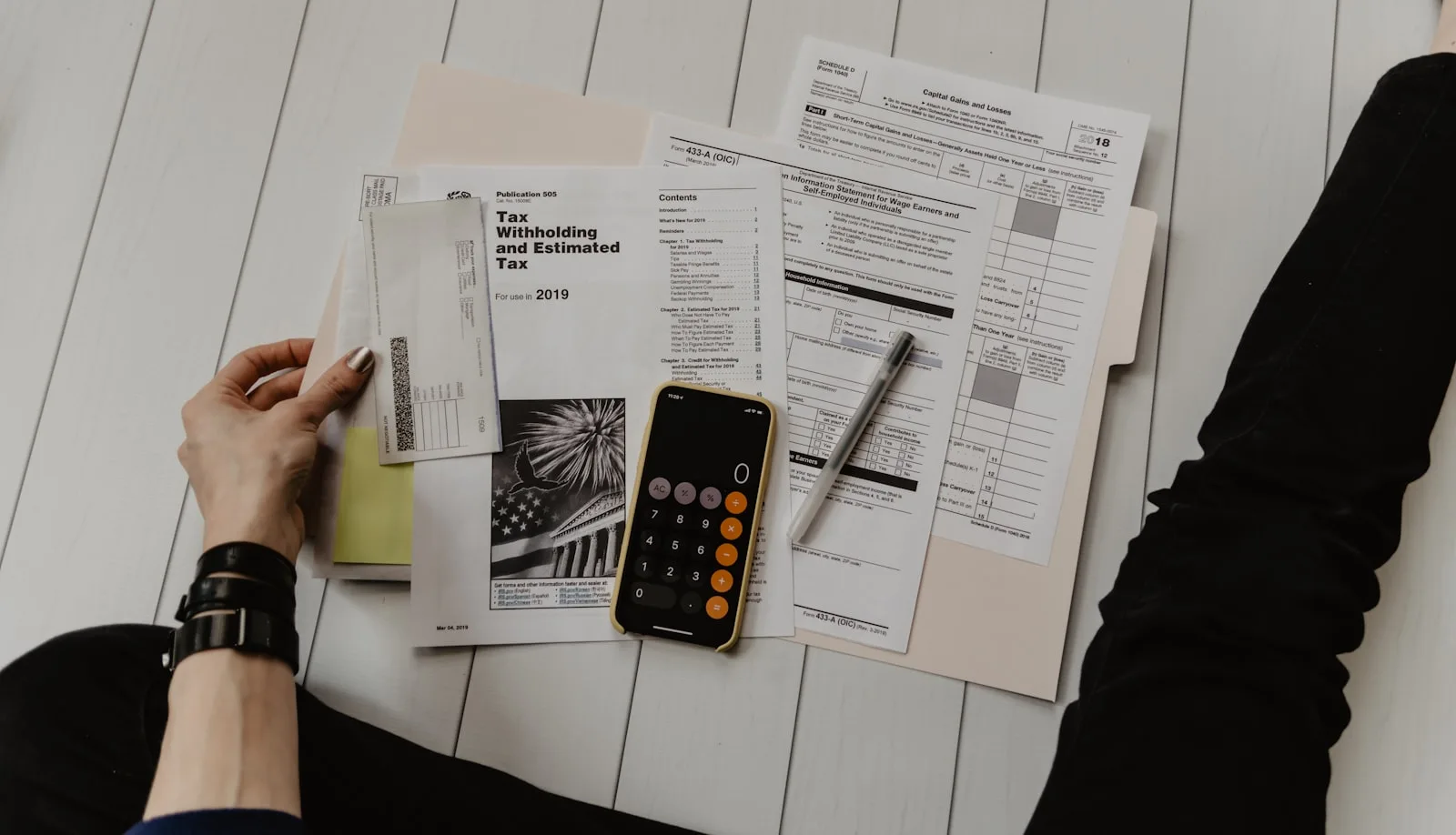
Build the full monthly number before you compare anything to your rent. The principal and interest payment is only the start. Add property taxes, which generally rise over time. Add homeowners insurance, and mortgage insurance if your down payment falls below your lender's threshold. Add HOA or condo dues where they apply. Then add the line renters forget because a landlord currently pays it, maintenance and repairs. Roofs, water heaters, furnaces, and plumbing all fail on their own schedule, and the owner writes the check. Put a real monthly reserve against those repairs based on the age and condition of the specific home you are considering. Only when you have that complete total should you set it next to the rent for a comparable home. Comparing rent to a bare mortgage payment is the single most common mistake in this decision, and it always flatters buying.