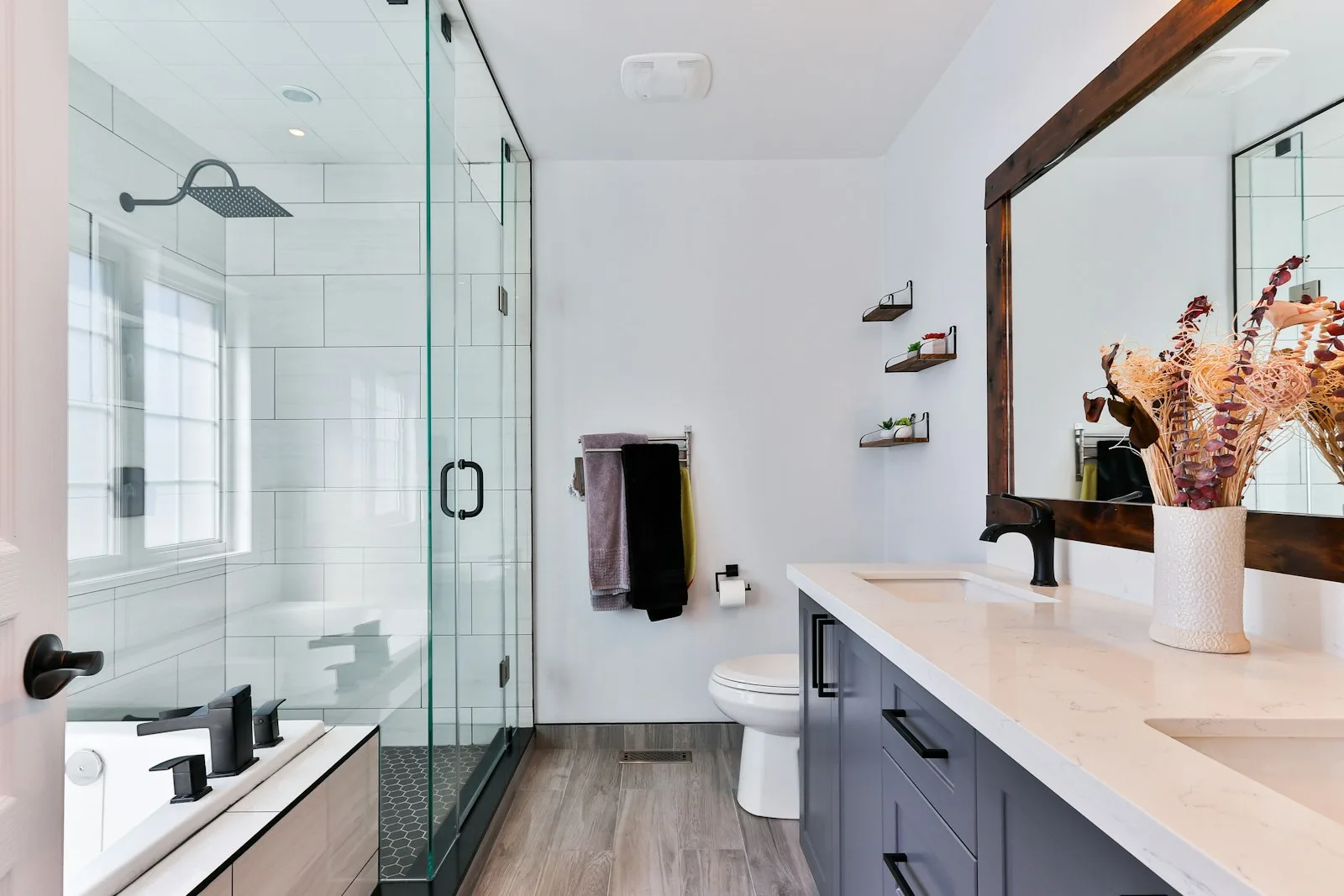
Is 2026 the Right Time to Upsize to a Larger Home
Insight

Is 2026 the Right Time to Upsize to a Larger Home

March 7, 20267 min read

Evaluating the 2026 Market for Upsizing

The decision to move from your current home to a larger one involves more than market timing. Your family's needs, financial situation, and personal circumstances all factor into whether now is the right moment. Understanding both market conditions and personal readiness helps you make an informed decision about upsizing in 2026.

Market conditions in 2026 present both opportunities and challenges for buyers seeking larger homes. Examining current dynamics helps you evaluate whether they favor your move.

Current Market Conditions

Several factors in the 2026 real estate market affect upsizing decisions. Understanding these dynamics helps you navigate current conditions effectively.

Interest rates have stabilized compared to recent volatility, providing more predictable financing costs. While rates remain higher than the historic lows of a few years ago, the stability allows confident planning.

Inventory has improved in many markets, giving buyers more options than during the tightest market periods. Larger homes, which often saw intense competition, may now offer more choices.

Price appreciation has moderated from frenzied pace to more sustainable levels. This normalization benefits buyers by reducing bidding war pressure while still protecting your current home's value.

Your current equity likely reflects years of payments and appreciation. This accumulated wealth provides the down payment foundation for your larger home purchase.

Signs You're Ready to Upsize

Beyond market conditions, personal readiness signals matter more than timing the market perfectly. These indicators suggest you're prepared for a larger home.

Space constraints affect daily life significantly. If your family is literally outgrowing your current home, with insufficient bedrooms, inadequate storage, or cramped living areas, the need is real regardless of market conditions.

Financial stability supports larger housing expenses. You can comfortably afford higher payments, increased utilities, and greater maintenance costs without straining your budget.

Location stability suggests you'll remain in your area long enough to justify transaction costs. Upsizing makes sense when you expect to stay at least five to seven years.

Your current home will sell well. Properties in good condition in desirable areas command strong prices even in normalized markets. Your equity depends on successful sale of your current home.

Financial Considerations

Upsizing affects your finances beyond the larger mortgage payment. Comprehensive financial analysis ensures you're truly prepared.

Calculate the complete cost difference between your current home and target home. Include mortgage payments, property taxes, insurance, utilities, and maintenance. The total increase may be larger than expected.
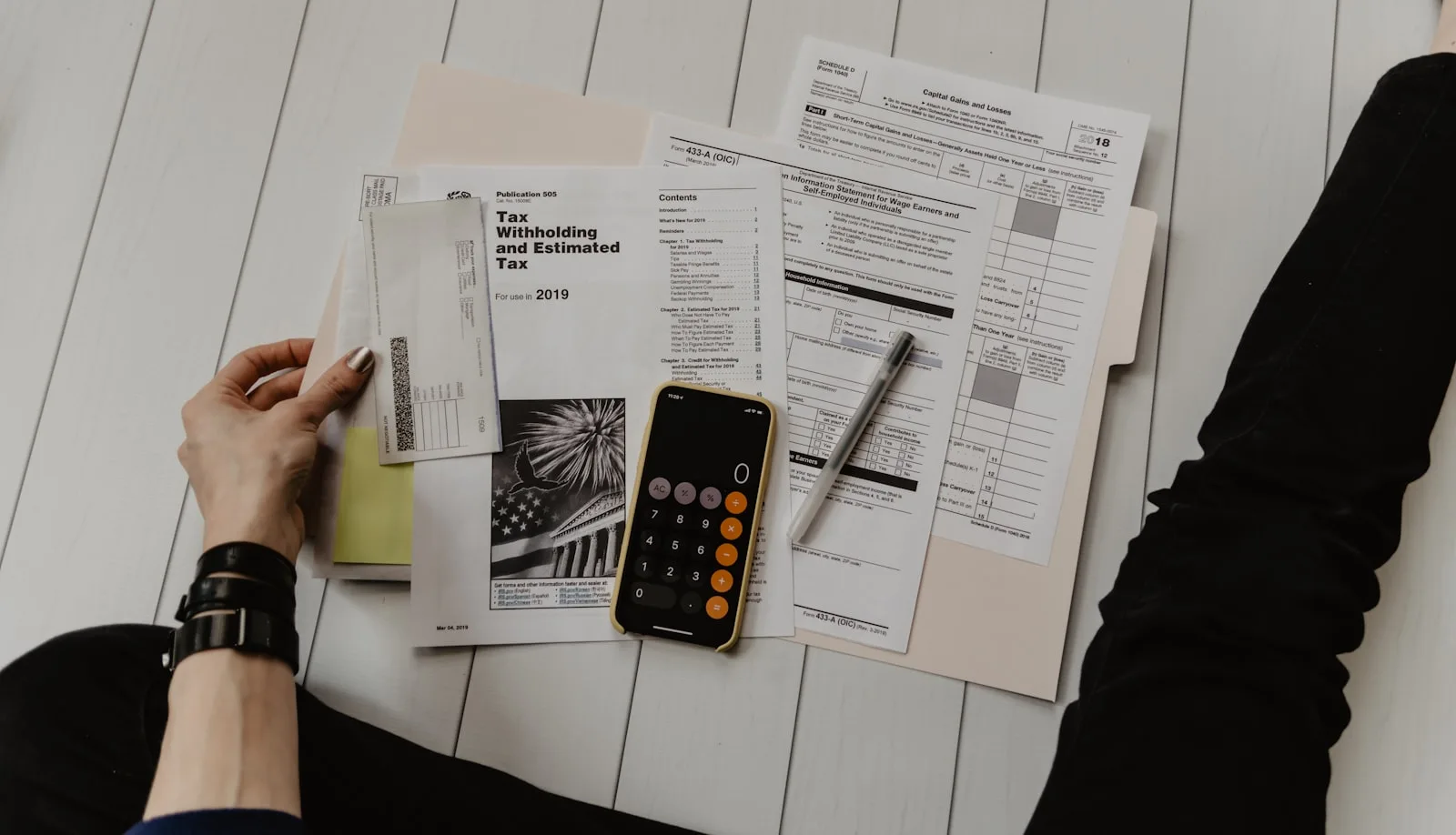

Ensure your current equity provides adequate down payment. Most buyers use proceeds from their current home for the next purchase. Calculate net proceeds after selling costs.

Consider whether your income supports higher debt-to-income ratios. Lenders evaluate your ability to afford new payments. Pre-approval confirms qualification before you search seriously.

Budget for transition costs including moving, temporary housing if needed, and immediate new-home expenses. These costs occur on top of transaction costs.

The Timing Trade-Off

When upsizing, you're simultaneously selling and buying, creating interesting timing dynamics.

In seller's markets, your current home commands strong prices, but you face the same competition when buying larger. You may net less from the upgrade than headline numbers suggest.

In buyer's markets, you may pay less for your larger home, but your current home also sells for less. The net difference between selling and buying may actually favor you.

The key insight is that market conditions affect both sides of your transaction. Extreme markets in either direction may not favor upsizers as much as they seem.

Balanced markets like 2026 may actually favor upsizing. Reasonable conditions on both sides allow rational transactions without extreme competition or disadvantage.

Alternatives to Moving

Before committing to purchase a larger home, consider whether alternatives might address your space needs.

Renovation or addition to your current home might provide needed space without moving costs. Finishing a basement, adding a room, or reconfiguring existing space sometimes solves problems economically.

Better organization and storage solutions occasionally address space constraints that feel like square footage problems. Professional organizers can maximize existing space.

Lifestyle adjustments might reduce space needs. Decluttering, changing how you use spaces, or shifting activities outside the home can improve function.

If these alternatives adequately address your needs, they may be more economical than upsizing. If they don't, the analysis confirms that moving is necessary.

Making Your Decision

The right time to upsize depends more on your circumstances than market timing. Consider these factors as you decide.

Your family's needs should drive the timeline. If you genuinely need more space and can afford it, waiting for marginally better market conditions may not be worthwhile.

Financial readiness matters more than market conditions. Being financially prepared for larger housing costs provides sustainable upgrade regardless of market timing.

Life circumstances have windows. Children's school years, career stability periods, and family situations create optimal timing that may not align with ideal market conditions.

Upsizing in 2026 makes sense if your family needs more space, your finances support the move, and you expect to stay long enough to justify transaction costs. Market conditions are reasonable for making such moves, without the extreme challenges of recent years. Your personal readiness ultimately determines whether now is the right time for your family's next chapter.

LuxuryReal EstateDesign