Should Retirees Rent or Own in 2026
Insight

Should Retirees Rent or Own in 2026

March 7, 20268 min read

The Housing Decision in Retirement

The rent-versus-own decision takes on different dimensions in retirement. Without employment income, fixed budgets become paramount. Lifestyle preferences, health considerations, and legacy goals all influence optimal housing choices. Understanding the trade-offs helps retirees make decisions aligned with their priorities in 2026.

Neither renting nor owning is universally superior for retirees. Individual circumstances determine which approach better serves your needs. Examining both options honestly reveals the right choice for your situation.

The Case for Owning in Retirement

Homeownership offers distinct advantages that appeal to many retirees. Understanding these benefits helps you evaluate whether they align with your priorities.

Fixed housing costs provide budget stability. With a paid-off mortgage or fixed-rate loan, your primary housing cost remains predictable. Property taxes and insurance may increase, but core costs stay manageable.

Home equity represents accessible wealth. This asset can fund emergencies, healthcare costs, or lifestyle enhancements through home equity loans or reverse mortgages. Renters have no equivalent resource.

Control over your environment allows modifications for aging in place. Grab bars, ramps, wider doorways, and other accessibility features require owner permission. Your home adapts to your needs.

Emotional security from owning your residence provides stability many retirees value. Your home is yours regardless of landlord decisions or lease changes.

Legacy potential allows passing property to heirs. Real estate can transfer between generations, providing benefits you've built to family members.

The Case for Renting in Retirement

Renting offers advantages that homeownership cannot match. These benefits particularly appeal to certain retiree circumstances.

Maintenance freedom eliminates repair responsibilities and costs. Landlords handle roofs, HVAC systems, and plumbing. Your time and money aren't consumed by property upkeep.

Flexibility to relocate remains when renting. Changing health needs, family situations, or preferences don't require selling property. Moving is simpler without ownership ties.

Capital preservation keeps assets liquid rather than locked in real estate. Invested assets can generate income and remain accessible for various needs.

Simplified finances eliminate property taxes, insurance management, and maintenance budgeting. Monthly rent represents your complete housing obligation.

Right-sized living without selling allows downsizing or adjusting space as needs change. Lease terms, not market conditions, determine timing.

Financial Considerations

Comparing costs between owning and renting requires comprehensive analysis. Simple monthly payment comparisons miss important factors.

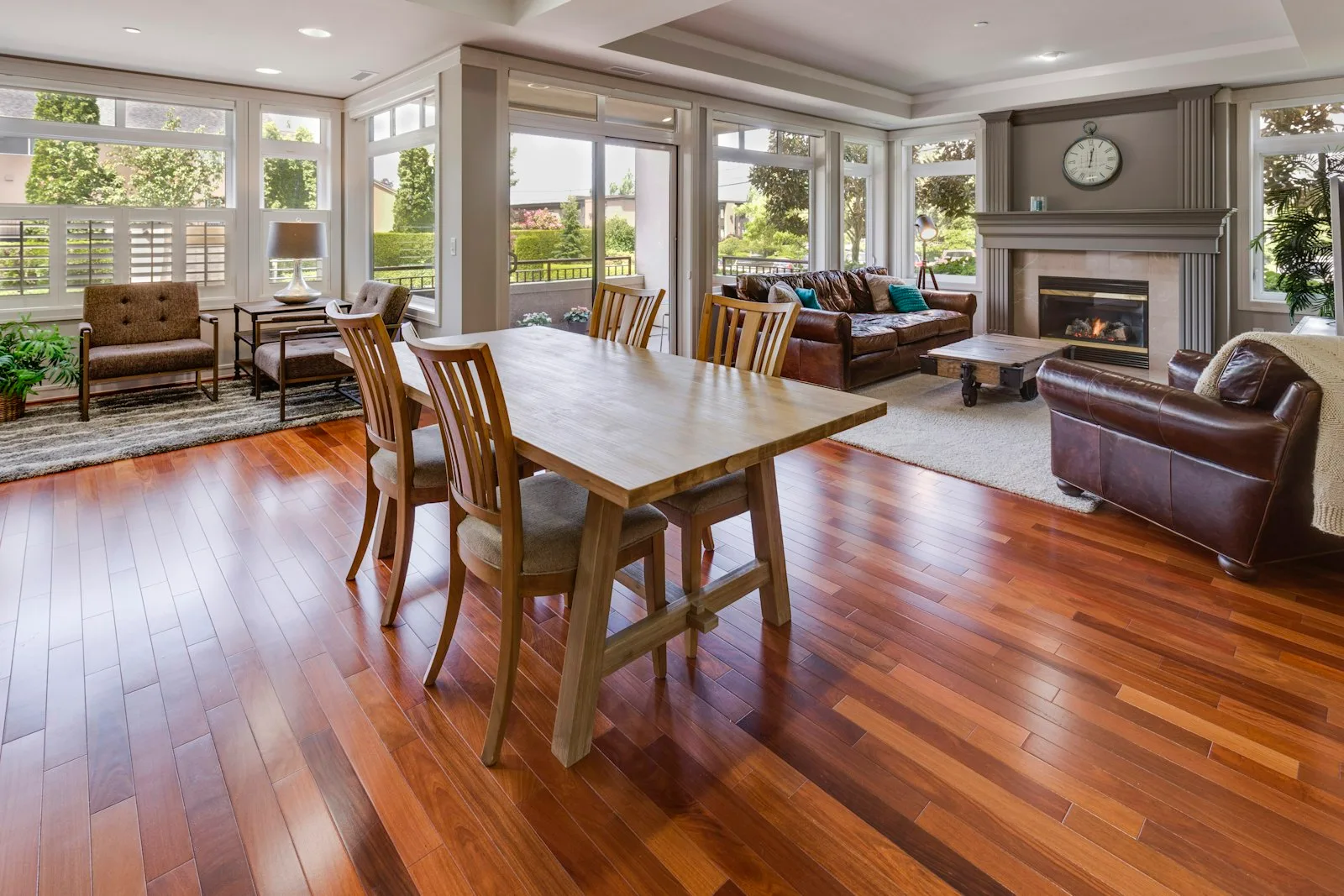
Calculate true ownership costs including mortgage payments, property taxes, insurance, HOA fees, maintenance, and repairs. The total often exceeds mortgage principal and interest alone by 30% to 50%.

Compare to rental costs for equivalent housing. In some markets, renting costs less than owning. In others, ownership provides better value. Local markets vary significantly.

Consider opportunity cost of home equity. Money tied up in your home could generate investment returns if invested differently. A $500,000 home represents substantial capital that could produce income.

Factor in tax implications. Mortgage interest deductibility helps some owners, but many retirees don't itemize deductions. Property taxes provide limited benefit. Evaluate your actual tax situation.

Lifestyle Factors

Beyond finances, lifestyle considerations significantly influence optimal housing choices in retirement.

Activity level affects maintenance feasibility. Active retirees may enjoy yard work and home projects. Those with health limitations may find these tasks burdensome.

Travel plans influence housing needs. Frequent or extended travelers may prefer renting's lock-and-leave simplicity. Homeowners must arrange property care during absences.

Community connections matter. Long-term homeownership often means established neighborhood relationships. Moving to a rental may mean starting social networks over.

Helping family might require space that rentals don't always accommodate. Providing room for visiting grandchildren or aging parents may favor ownership flexibility.

Health and Aging Considerations

Health realities significantly affect housing decisions as retirement progresses. Planning for changing needs is essential.

Aging in place requires appropriate housing. Single-story homes, accessible features, and proximity to services support independent living longer. Evaluate whether your current home supports aging in place.

Healthcare access influences location choices. Proximity to quality healthcare facilities becomes increasingly important. Location decisions should consider medical needs.

Support availability matters for potential future needs. Family members or professional caregivers need access. Housing locations should consider these eventual requirements.

Hybrid Approaches

Some retirees benefit from approaches that combine owning and renting elements.

Owning primary residence while renting vacation properties provides home security with travel flexibility. Maintenance burden remains manageable while lifestyle variety increases.

Selling and renting initially after retirement allows exploring new locations before committing. You might rent in different areas before deciding where to settle long-term.

Downsizing into smaller owned properties reduces maintenance while preserving ownership benefits. Less house means less work while equity and control remain.

Making Your Decision

Your optimal housing choice depends on your specific circumstances. Consider these factors as you decide.

Evaluate your financial situation comprehensively. Can you comfortably afford ownership costs on retirement income? Would freeing home equity significantly improve your financial position?

Consider your health honestly. Is your current or planned housing appropriate for your likely future needs? Will maintenance become burdensome?

Reflect on what you value most. Security and control? Flexibility and simplicity? Family legacy? Your priorities should drive your decision.

Consult with financial advisors who understand retirement planning. They can help model different scenarios and identify implications you might miss.

The rent-versus-own decision in retirement isn't about finding the universally correct answer. It's about identifying what works best for your circumstances, priorities, and goals. Thoughtful evaluation leads to confident decisions that support your best retirement years.

LuxuryReal EstateDesign