Popular Home Styles and Architectural Types Explained
Insight

Popular Home Styles and Architectural Types Explained

March 7, 20268 min read

Why Architecture Matters When Buying a Home

Understanding architectural styles helps you communicate preferences to your agent, evaluate homes more effectively, and appreciate the character different styles bring to neighborhoods. Whether you're drawn to historic charm or modern minimalism, recognizing architectural elements guides your search toward homes that match your aesthetic preferences.

Architecture also affects practical considerations like layout efficiency, maintenance requirements, and renovation possibilities. Knowing what to expect from different styles helps you anticipate both the benefits and challenges of various home types.

Colonial

Colonial homes trace their origins to early American settlement, featuring symmetrical facades, centered front doors, and evenly spaced windows. These classic homes typically have two or three stories with rectangular shapes and simple rooflines.

Traditional Colonial layouts place formal living and dining rooms flanking a central hallway, with bedrooms upstairs. This separation of public and private spaces appeals to many families. Colonials work well for entertaining while providing bedroom privacy.

Maintenance on Colonial homes is generally straightforward given their simple shapes and standard materials. The symmetry and proportion create timeless appeal that maintains value across market cycles.

Ranch

Ranch homes spread living space across a single floor, originating in mid-century America's sprawling suburbs. These homes emphasize horizontal lines, attached garages, and open floor plans connecting indoor and outdoor living spaces.

Single-story living provides accessibility advantages and eliminates stair climbing. Ranch layouts suit aging in place, mobility challenges, and families who prefer everything on one level.

Expansion possibilities often exist through basement finishing or additions. The simple rooflines and single-story construction make maintenance accessible without ladders or special equipment.

Craftsman

Craftsman homes emerged from the Arts and Crafts movement, emphasizing handcrafted details and natural materials. Characteristic features include low-pitched roofs, wide front porches with tapered columns, exposed rafters, and built-in furniture.

Interior details often include built-in bookcases, window seats, and detailed woodwork throughout. These homes reward appreciation of craftsmanship and quality materials. Original Craftsman homes from the early 1900s command premiums for their authentic character.

Maintaining Craftsman details requires attention to authentic materials and period-appropriate repairs. The handcrafted elements that create appeal also demand care that modern tract homes don't require.

Victorian

Victorian architecture encompasses multiple ornate styles popular during Queen Victoria's reign. Common features include asymmetrical facades, decorative trim, wraparound porches, bay windows, and steeply pitched roofs.


Interior layouts often feature formal rooms, high ceilings, and decorative details including moldings, medallions, and fireplaces. These homes offer character that modern construction rarely attempts to replicate.

Maintenance on Victorian homes can be substantial given their complexity and age. Decorative trim requires painting and repair. Older systems may need updating. Buyers should budget for ongoing maintenance costs.

Contemporary and Modern

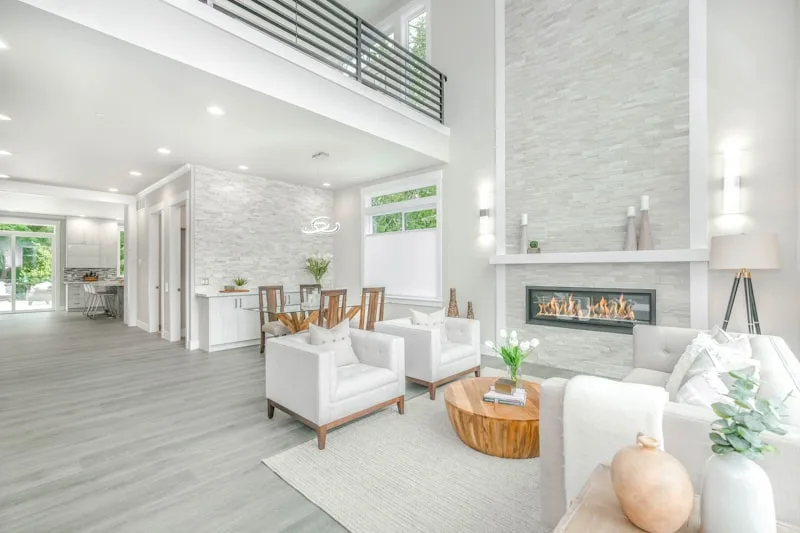
Contemporary homes embrace current design trends, often featuring open floor plans, large windows, clean lines, and integration with outdoor spaces. Modern design emphasizes function, minimalism, and innovation.

Floor plans typically flow openly between kitchen, dining, and living areas. High ceilings and extensive glazing create bright, spacious-feeling interiors. Outdoor living spaces extend functional square footage.

Materials often include concrete, steel, and glass alongside traditional wood. These homes suit buyers who appreciate current aesthetics and are less concerned with traditional architectural character.

Mediterranean

Mediterranean architecture draws from Spanish, Italian, and Moorish influences, featuring stucco exteriors, red tile roofs, arched openings, and courtyards. These homes suit warm climates and create distinctive streetscapes.

Interior features often include tile floors, wrought iron details, exposed beams, and connections to outdoor living areas. The style creates resort-like atmospheres that appeal to buyers seeking relaxed elegance.

Climate compatibility matters for Mediterranean homes. The tile roofs and stucco walls suit dry, warm regions better than cold, wet climates where freeze-thaw cycles can damage materials.

Cape Cod

Cape Cod homes originated in New England, featuring steep roofs, centered chimneys, and compact, efficient floor plans. The style evolved to handle harsh winters while maximizing interior space.

Traditional layouts include main floor living areas with upstairs bedrooms tucked under sloped ceilings. Dormers often add light and headroom to upper levels. The cozy proportions appeal to buyers seeking manageable spaces.

Energy efficiency can be challenging in original Cape Cods due to compact attic spaces and older construction. Upgrades often improve comfort while preserving character.

Tudor

Tudor homes feature distinctive half-timbering, steeply pitched roofs, tall chimneys, and asymmetrical facades evoking medieval English architecture. The dramatic appearance creates strong curb appeal.

Interiors often include detailed woodwork, stone fireplaces, and divided floor plans with distinct rooms. The style suits buyers who appreciate traditional character and don't require completely open layouts.

Maintenance requirements include attention to the decorative stucco and timber details. Roofing on steep pitches can be more expensive than simpler rooflines.

Choosing Your Style

Your architectural preferences should balance aesthetic appeal with practical considerations. Consider maintenance requirements, layout functionality, and how the style fits your lifestyle.

Neighborhood context matters too. Homes that fit their surroundings maintain value better than incongruous styles. While you should buy what you love, compatibility with neighborhood character provides market advantages.

Understanding architectural styles enriches your home search in 2026. Whether drawn to traditional charm or modern simplicity, recognizing what you love and why helps you find a home that satisfies both your practical needs and aesthetic preferences.

LuxuryReal EstateDesign