Understanding the Interest Rate Landscape in 2026
Interest rates remain one of the most significant factors influencing your monthly mortgage payment and overall home affordability. As we navigate the 2026 housing market, understanding how rates work and what drives their movement empowers you to make better decisions about when and how to finance your home purchase. Even small rate changes can translate to thousands of dollars over the life of your loan.
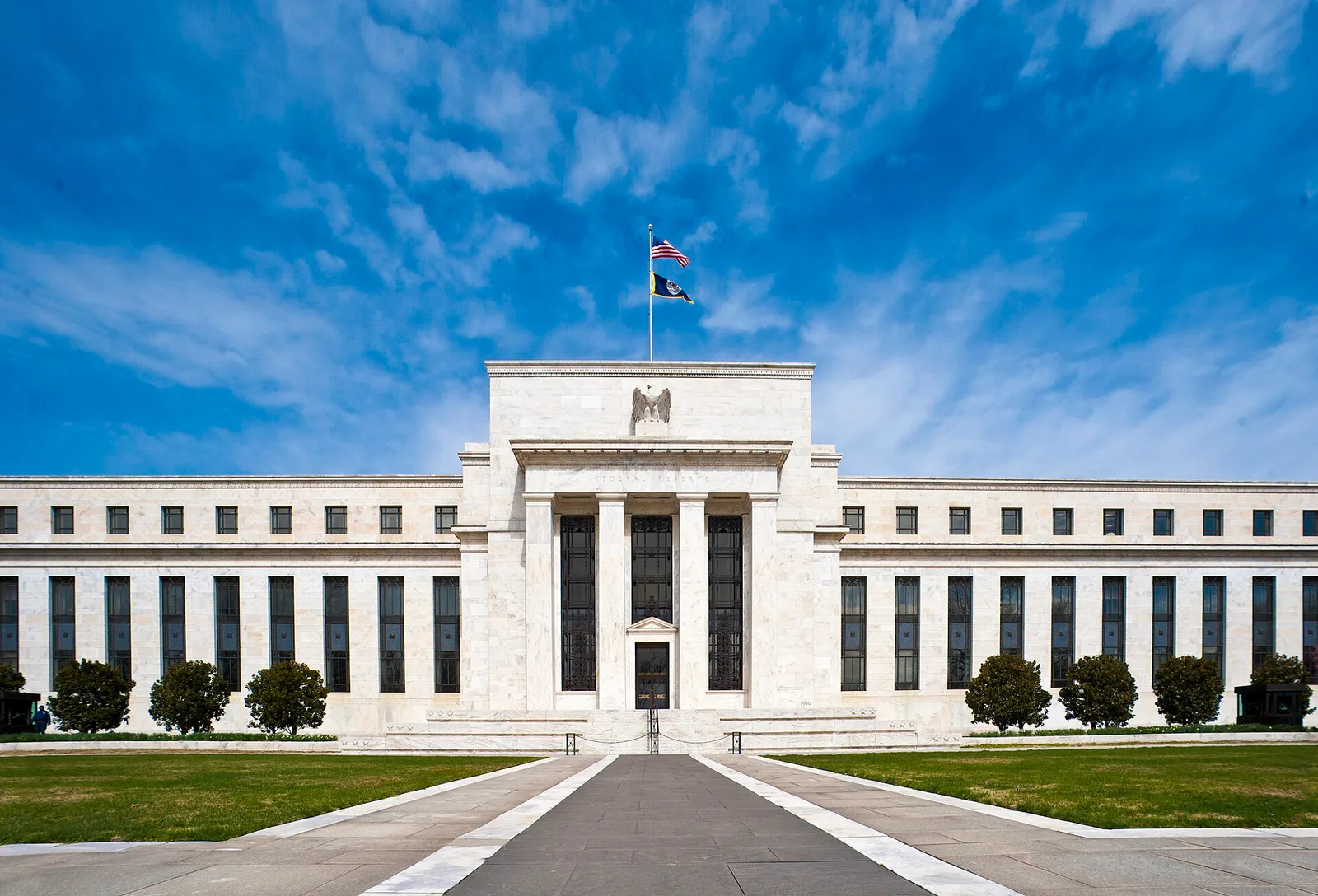
The Federal Reserve's monetary policy decisions create ripple effects throughout the mortgage market. While the Fed doesn't directly set mortgage rates, its actions on the federal funds rate influence the broader interest rate environment. Bond market movements, inflation expectations, and economic growth projections all factor into the rates lenders offer. Staying informed about these dynamics helps you recognize favorable buying opportunities.
How Interest Rates Directly Impact Monthly Payments
The relationship between interest rates and monthly payments is mathematical but profound. On a $400,000 mortgage with a 30-year term, the difference between a 6% and 7% interest rate amounts to approximately $266 per month. Over the loan's lifetime, that single percentage point difference totals over $95,000 in additional interest paid.
Consider how rate changes affect homes at different price points. For a $300,000 loan, a half-percent rate increase adds roughly $100 to your monthly payment. At $500,000, that same half-percent increase costs about $165 more each month. These numbers demonstrate why rate shopping and timing deserve serious attention during your home buying process.
Beyond the monthly payment, interest rates affect your total purchasing power. Lenders qualify borrowers based on debt-to-income ratios that include the projected mortgage payment. When rates rise, the maximum loan amount you qualify for decreases, effectively shrinking your home shopping budget. This dynamic makes rate awareness essential for realistic home search planning.
Fixed-Rate vs. Adjustable-Rate Mortgages
Choosing between fixed-rate and adjustable-rate mortgages involves evaluating your timeline, risk tolerance, and interest rate outlook. Fixed-rate loans lock your interest rate for the entire loan term, providing payment predictability regardless of market fluctuations. This stability appeals to buyers planning to stay in their homes long-term.
Adjustable-rate mortgages offer lower initial rates in exchange for future rate uncertainty. The initial fixed period typically lasts five, seven, or ten years before annual adjustments begin. Buyers confident they'll move or refinance before the adjustment period may benefit from the lower initial payments, but must understand the risks if plans change.
Current market conditions in 2026 make this decision particularly relevant. Evaluate the spread between fixed and adjustable rates, consider your career stability and likelihood of relocation, and assess your comfort level with payment variability. Many buyers find peace of mind in fixed rates worth the premium, while others strategically use ARMs to maximize purchasing power or reduce near-term housing costs.
Strategies for Securing the Best Rate
Your credit score significantly influences the interest rate lenders offer. Borrowers with excellent credit scores above 760 typically qualify for the best available rates, while those with scores below 680 face notably higher rates. Before beginning your home search, obtain your credit reports, dispute any errors, and implement strategies to boost your score.
Paying down credit card balances reduces your credit utilization ratio, often producing quick score improvements. Avoid opening new credit accounts in the months before applying for a mortgage, as new inquiries and accounts can temporarily lower scores. Making all payments on time and keeping old accounts open also supports a strong credit profile.
The down payment amount affects your rate as well. Larger down payments reduce lender risk, often resulting in lower rates. Putting down 20% or more also eliminates private mortgage insurance requirements, further reducing monthly housing costs. If you're between down payment thresholds, calculate whether the additional funds needed to reach the next level would provide meaningful rate improvements.
Shopping Multiple Lenders Makes a Difference
Mortgage rates vary significantly between lenders, even for identical borrower profiles and loan products. Research consistently shows that borrowers who obtain quotes from multiple lenders save money compared to those who accept the first offer received. Taking time to shop around can yield savings of thousands of dollars over your loan term.
Request loan estimates from at least three to five different lenders. The standardized loan estimate form makes comparing offers straightforward, displaying rates, fees, and monthly payments in consistent formats. Pay attention to both the interest rate and annual percentage rate, which includes fees to show the true cost of borrowing.
Don't hesitate to negotiate. If one lender offers better terms, share that information with competing lenders and ask if they can match or beat the offer. Many lenders have flexibility on fees and may adjust their pricing to win your business. The mortgage market is competitive, and prepared borrowers can leverage that competition to their advantage.
Understanding Points and Buydowns
Discount points allow you to pay upfront to reduce your interest rate over the loan term. One point typically costs 1% of the loan amount and reduces the rate by about 0.25%, though exact pricing varies by lender and market conditions. Evaluating whether points make financial sense requires calculating your break-even period.
For example, if paying $4,000 in points reduces your monthly payment by $100, you would break even after 40 months. If you plan to stay in the home longer than that, purchasing points saves money over time. If you might sell or refinance sooner, the upfront cost may not prove worthwhile. Consider your plans and timeline when evaluating point purchases.
Temporary buydowns offer another rate reduction strategy, particularly popular in the 2026 market. A 2-1 buydown reduces the rate by 2% in the first year and 1% in the second year before adjusting to the permanent rate. Sellers sometimes fund buydowns as an incentive, making this strategy worth exploring when negotiating your purchase.
Rate Locks and Their Importance
Once you find a favorable rate, locking it protects against increases during your loan processing period. Rate locks typically last 30 to 60 days, though longer periods are available for additional cost. Understanding lock timing and terms helps you secure the rate you've budgeted around.
Lock too early and you might miss out if rates drop further. Lock too late and rising rates could increase your payment beyond comfortable levels. Most buyers lock their rate once they have an accepted offer and have chosen their lender. This timing provides protection through the typical closing period while avoiding unnecessary lock extension fees.
Ask about float-down provisions when locking your rate. Some lenders offer the ability to reduce your locked rate if market rates drop significantly before closing. These provisions usually carry fees or require specific rate decreases to trigger, so understand the terms before assuming you'll benefit from any rate declines.
How Economic Factors Influence 2026 Rates
Mortgage rates in 2026 reflect the broader economic environment shaped by inflation trends, employment data, and Federal Reserve policy decisions. Understanding these factors helps you anticipate potential rate movements and time your purchase strategically.
Inflation remains a key rate driver. When inflation runs hot, investors demand higher yields on mortgage-backed securities to maintain purchasing power, pushing rates upward. Cooling inflation generally supports lower rates. Following inflation reports and Federal Reserve commentary provides insight into potential rate direction.
Employment strength and economic growth also influence rates. Strong job markets typically correlate with higher rates as robust economic activity supports demand for credit. Economic uncertainty or weakness often pushes rates lower as investors seek the relative safety of bonds, including mortgage-backed securities. Staying aware of economic headlines helps contextualize rate movements you observe.
Planning Your Purchase Around Rates
While timing the market perfectly proves impossible, approaching your purchase with rate awareness improves outcomes. Begin monitoring rates months before you plan to buy, developing a sense for the current range and recent trends. This baseline knowledge helps you recognize good opportunities when they arise.
Consider your overall financial picture when evaluating rates. A slightly higher rate on a home that truly fits your needs may prove better than waiting indefinitely for rate declines that may or may not materialize. Home prices, availability, and your personal circumstances all factor into optimal purchase timing.
Work with a mortgage professional who provides market updates and guidance. Experienced loan officers track rate movements closely and can alert you to favorable conditions or advise on timing decisions. Building this relationship before you actively search ensures you have expert support when decision time arrives. With proper preparation and knowledge, you can navigate the 2026 rate environment confidently.