Turning your home into a rental is a business decision, and the owners who do well treat it like one from day one. Before you order a yard sign or draft a listing, work through the questions below in order. Each one has a wrong answer that costs real money, and every one of them is knowable in advance.
Start With the Rent vs Sell Math
Run this math before anything else. Take the realistic monthly rent for your home, subtract the mortgage payment, property taxes, insurance, and any HOA dues, then subtract reserves for vacancy, repairs, and future big ticket replacements. If the result is negative, you are not collecting income, you are paying for the privilege of keeping the house, and you need a separate reason to do that, such as expected appreciation or a mortgage rate you do not want to give up.
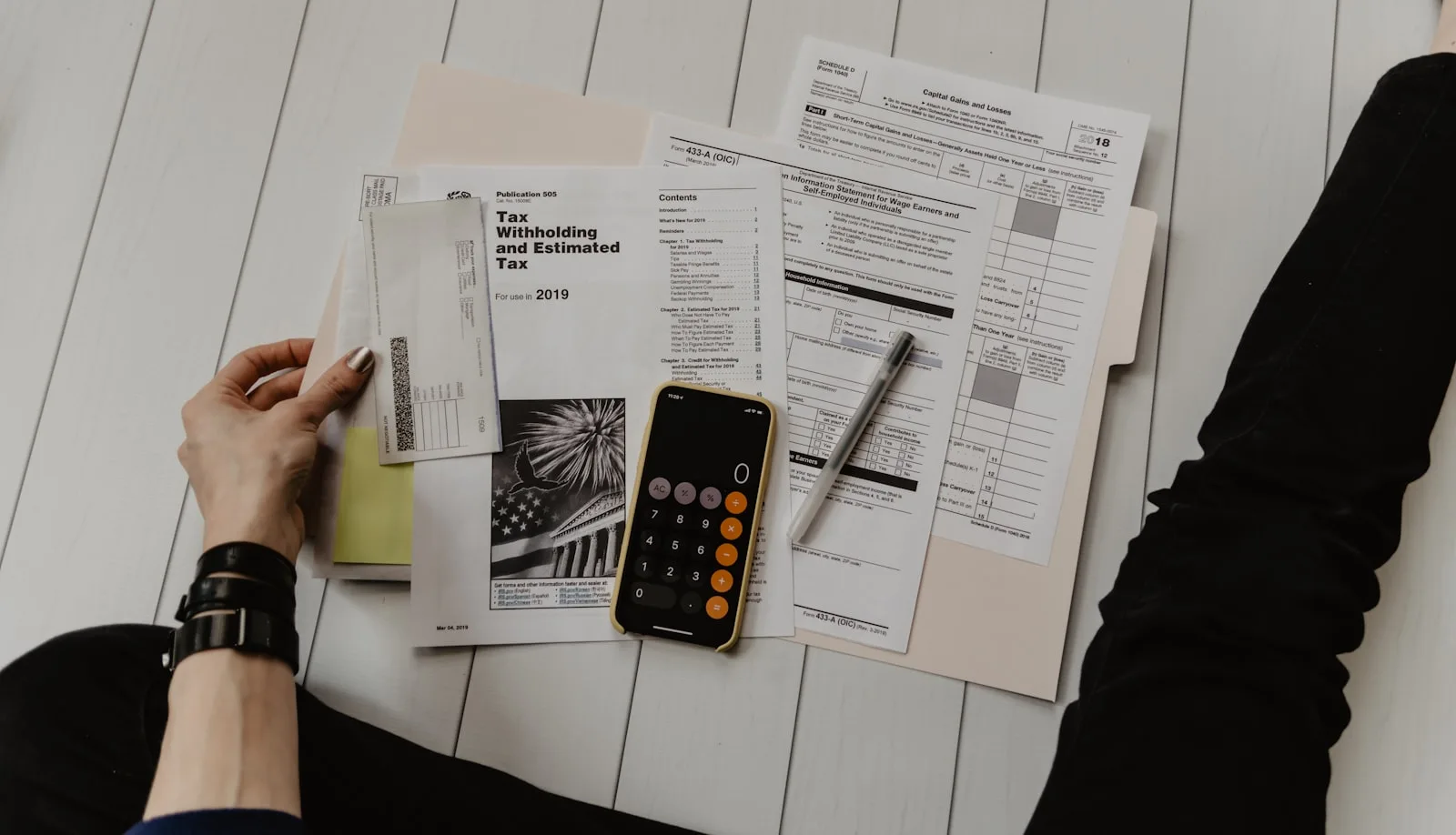
Then weigh the tax clock. Under the IRS Section 121 exclusion, you can generally exclude up to $250,000 of gain on the sale of your home, or $500,000 for a married couple filing jointly, if you owned and lived in it as your primary residence for at least two of the five years before the sale. Rent the home long enough and you can age out of that exclusion. If your home is sitting on a large gain, the value of that exclusion belongs in the rent vs sell comparison, not as an afterthought.
Budget for Vacancy, Repairs, and Capital Expenses
Build reserves into your projection before you commit to anything. The U.S. Census Bureau put the national rental vacancy rate at 7.3 percent in the second quarter of 2026, which is a useful reminder that no rental stays occupied every month forever. Your local market will run higher or lower, but budgeting as if the home will be occupied twelve months a year, every year, is how new landlords end up surprised.
Do the same for the physical plant. A roof, a furnace, a water heater, and appliances all have finite lives. List each major system, estimate its replacement cost and remaining life, and divide to get a monthly set aside. Add a separate line for routine repairs, because tenants call about things you lived with quietly for years. If the deal only works when nothing breaks and nobody moves out, the deal does not work.
Prepare the Property Like a Business Asset
Handle safety items first and completely. Working smoke and carbon monoxide detectors, secure locks, solid handrails, and functioning ground fault outlets are the baseline for handing keys to a tenant. Service the HVAC system, inspect the water heater, and fix every slow drain and drip now, because each one becomes a service call later.