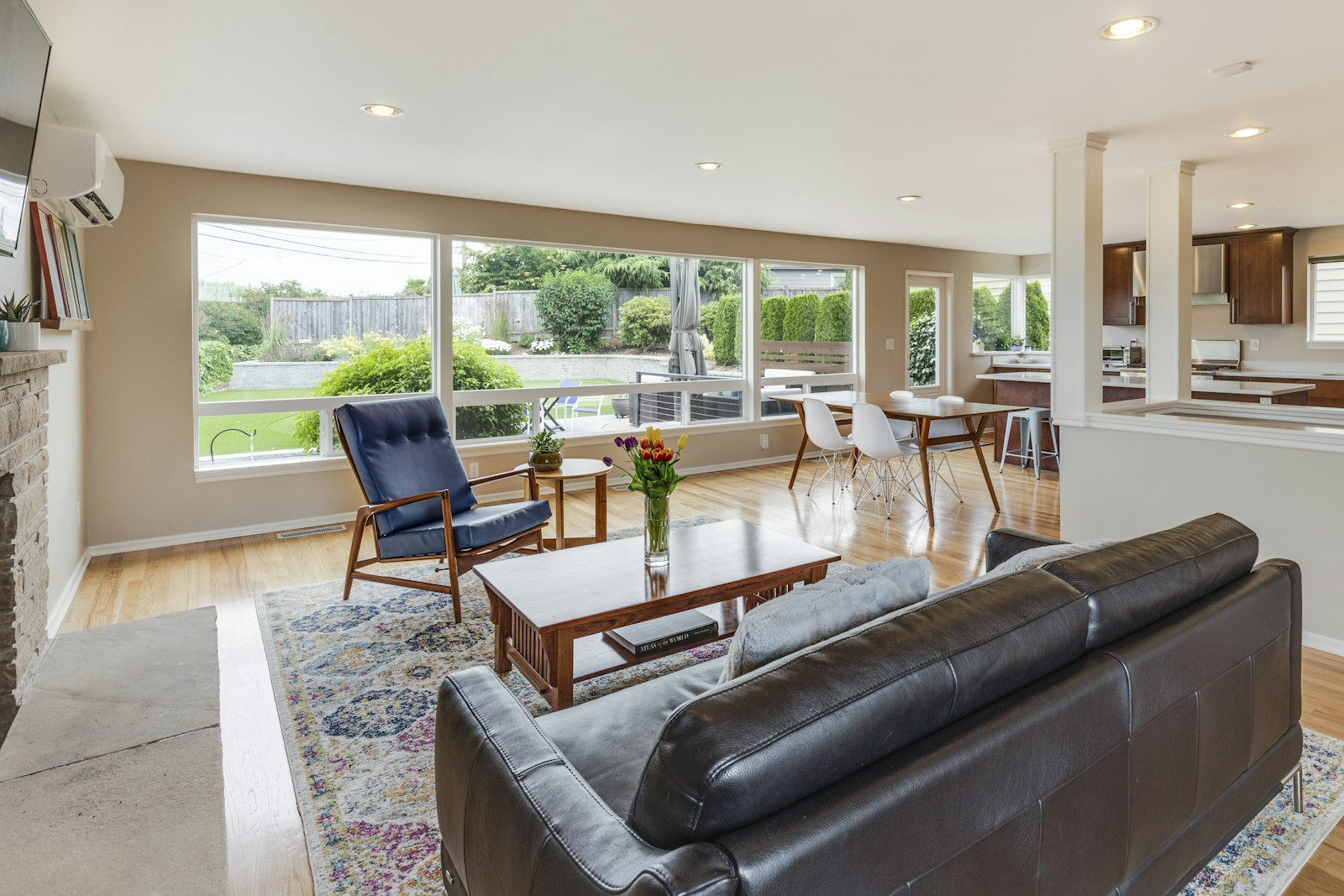
Welcome to the world of home buying in 2026, where purchasing your first home involves navigating a maze of hidden costs that can surprise even the most prepared buyer. While the sticker price catches your eye, it's the expenses lurking beneath the surface that can catch the unprepared off guard. But don't let these costs derail your homeownership dreams. This guide shines a light on concealed expenses, from eco-friendly compliance fees to smart home technology requirements, helping you prepare for everything the home buying process throws your way.
Emerging Green Compliance Fees
In 2026, being eco-friendly isn't just a choice—it's increasingly becoming a requirement. Governments worldwide are implementing environmental regulations to combat climate change, and these policies have made their way into the housing market. While everyone appreciates cleaner air and lower utility bills, the initial cost of meeting green standards can catch new buyers off guard.
Mandatory Energy-Efficient Installations
Modern homes are now expected to include features like solar panels, high-efficiency heating and cooling systems, and advanced insulation materials. These requirements aim to reduce the carbon footprint of residential buildings significantly. However, the price tag attached to these eco-upgrades isn't negligible. Outfitting a home with solar panels, for example, can add thousands to your upfront expenses. You'll appreciate the long-term energy savings, but the initial investment requires planning.
Sustainable Materials and Certifications
Building materials such as reclaimed wood, low-VOC paints, and recycled steel are environmentally friendly but often come at premium prices. Additionally, obtaining certifications like LEED (Leadership in Energy and Environmental Design) involves fees and specialized professionals to ensure compliance. These costs are worth weighing against the long-term benefits of owning an environmentally responsible home.
Long-Term Considerations
Many green investments pay off over time through reduced energy bills and potential tax incentives. Research specific environmental regulations in your desired area since requirements vary significantly by location. Consulting with professionals who specialize in eco-friendly building can provide insights into cost-effective ways to meet regulations.
The term "smart home" is no longer futuristic—it's the new standard. Integrating advanced systems isn't just about convenience; in many cases, it's becoming a requirement.
Mandatory Technology Integration
Municipal building codes and homeowners' associations increasingly mandate certain smart technologies for safety and efficiency. Smart thermostats, security systems, and energy management devices might be non-negotiable additions. While these gadgets promise long-term benefits, the initial investment can add thousands to upfront costs.
Upgrading Older Properties
If you're considering an older home, be prepared for the challenge of upgrading outdated infrastructure. Older properties weren't designed with today's technology in mind, and retrofitting them can be complex. Wiring may need replacement, walls might require modification to accommodate new devices, and compatibility issues can arise. These upgrades often involve substantial electrical and structural work beyond simply installing new gadgets.
Ongoing Maintenance and Subscriptions
Smart devices require regular software updates to function optimally and securely. Many systems operate on subscription models, meaning you'll have monthly or annual fees to access all features or cloud storage. These recurring costs can add up over time, so factor them into your monthly budget.
Rising Property Tax Assessments
With property values rising, many local governments are reassessing homes to reflect current market conditions. While increased property value sounds positive, it also leads to higher tax bills.
Impact of Revaluations
When your home's assessed value increases, so does your annual tax obligation. Being aware of this possibility allows you to factor potential tax increases into your budget, preventing surprises when tax season arrives.
Changes in Tax Legislation
The landscape of property taxation isn't static. Some regions are revising tax laws to address budget deficits or fund new public initiatives. These changes might include adjustments to tax rates or introduction of new levies on homeowners. Stay informed about local legislation and consider consulting with a tax professional to stay ahead of changes.
Planning Ahead
Setting aside funds for potential property tax increases is wise financial planning. Also familiarize yourself with the appeal process for property assessments. If you believe your home's valuation doesn't accurately reflect its worth, you can contest it.
Climate-Influenced Insurance Premiums
Recent years have seen an increase in extreme weather events, and insurance companies have adjusted accordingly. Living in areas now deemed elevated risk zones can send your insurance premiums significantly higher.
Location-Based Risk Assessment
Properties in areas susceptible to hurricanes, wildfires, floods, or other natural disasters face higher insurance costs. Even previously "safe" zones are being reevaluated based on new climate data. That charming beachfront cottage may offer stunning views, but it also comes with substantial insurance premiums due to storm damage risk.
Additional Coverage Requirements
Standard homeowner's insurance policies don't cover everything. Natural disasters like earthquakes, floods, and certain storm damage often require additional policies. These mandatory additions ensure you're protected but add to overall costs.
Mitigation Strategies
Investing in home improvements that increase your property's resilience can reduce insurance premiums. Installing storm shutters, reinforcing your roof, elevating structures in flood-prone areas, or using fire-resistant materials in wildfire zones protects your investment and may qualify you for insurance discounts.
Enhanced Home Inspection Costs
Modern home inspections have expanded significantly in scope and detail, reflecting the complexity of contemporary homes.
Comprehensive Assessment Requirements
Today's inspections go beyond structural integrity and mechanical systems to assess energy efficiency, technological integrations, and environmental considerations. Inspectors use advanced tools to uncover issues that might have gone unnoticed in the past. While this thorough scrutiny provides peace of mind, it comes with higher fees.
Specialized Assessments
Homes with smart technology require experts who can evaluate these systems. Environmental assessments for radon, mold, and air quality have become more common. Older properties might need asbestos or lead paint evaluations. Each specialized inspection adds to overall costs but is crucial for ensuring your future home is safe and up to standards.
Post-Inspection Expenses
More thorough inspections are more likely to uncover issues requiring attention. While discovering problems before purchase is beneficial, it means you might face unexpected repair or renovation costs. Allocating a portion of your budget for such eventualities is wise.
Community Development and Infrastructure Levies
Selecting the perfect neighborhood comes with communal costs that support the living environment.
Mandatory Community Contributions
Many municipalities require homeowners to contribute to local infrastructure and development projects. These levies fund parks, recreational facilities, road maintenance, and public transportation. They can add significant sums to upfront costs or manifest as annual charges.
Homeowner Association Dues
Neighborhoods with shared amenities like pools, fitness centers, or landscaped common areas come with HOA fees. Some associations levy special assessments for unexpected expenses. These costs are ongoing financial commitments that impact your monthly budget.
Long-Term Planning
Project communal costs over several years to understand their true impact on your investment. These levies can affect both your monthly budgeting and long-term financial planning.
Closing the Door on Surprises
Stepping into homeownership in 2026 means navigating new requirements and expenses. By understanding these hidden costs, you transform potential obstacles into manageable budget items.
Green compliance fees represent investments in both your home and a healthier planet, with long-term utility savings providing returns on your initial investment. Smart home technology offers convenience and enhanced security despite initial and ongoing costs. Understanding property tax trends and climate-influenced insurance helps you plan accurately.
Thorough home inspections, while more expensive, catch problems early. And awareness of community levies and HOA dues ensures you budget appropriately for all aspects of homeownership.
By proactively understanding these hidden expenses, you're not just buying a house—you're investing in a home that's ready for the future. Embrace the process with confidence, knowing that each step brings you closer to securing not just property, but a foundation for your future.
March 12, 2026
14 min read
Topfind Realty, DRE # 02240815, is a licensed real estate broker in California. Topfind Realty pledges to support the Fair Housing Act and adhere to Equal Housing Opportunity laws.