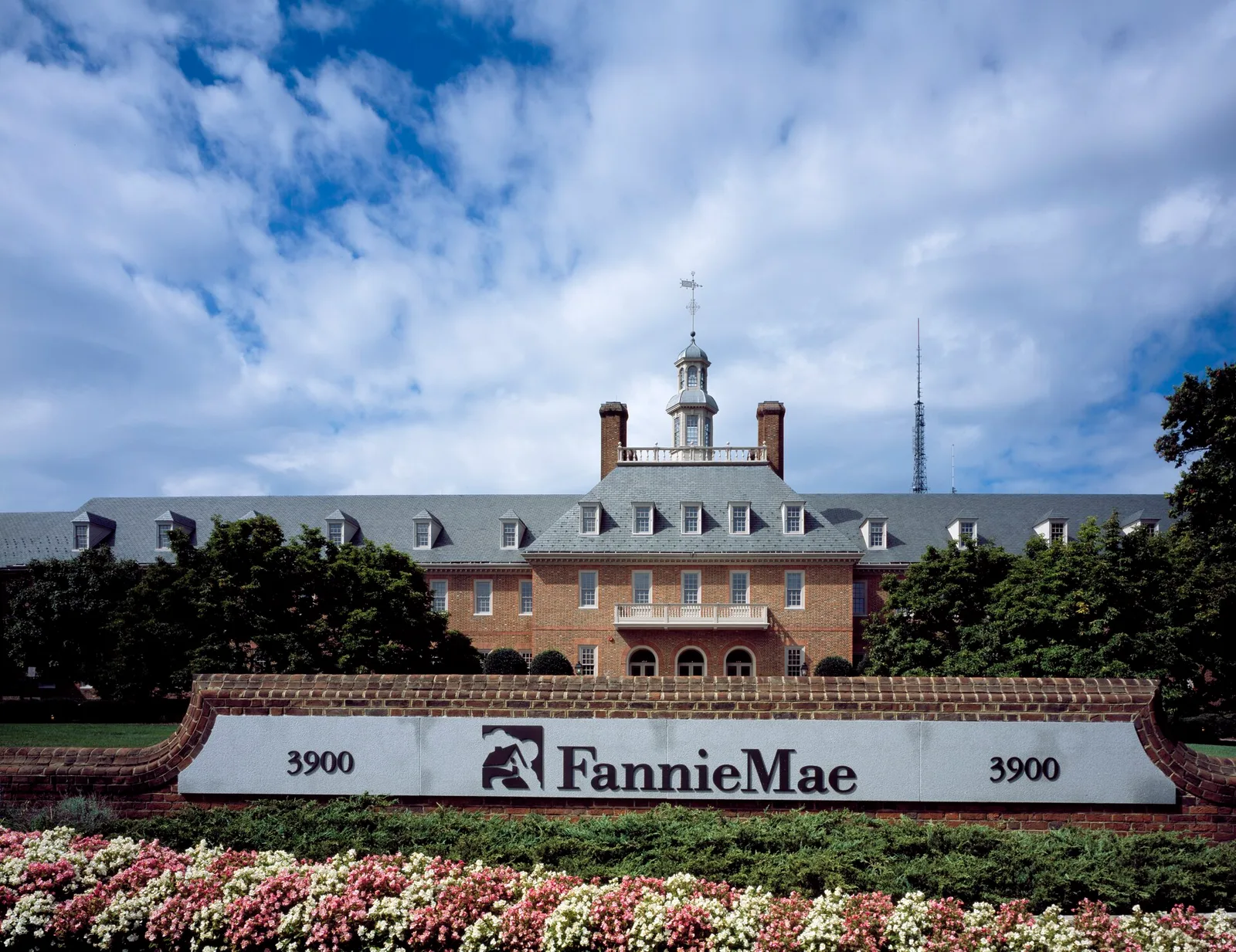
For over a year, Washington has floated one of the largest public offerings ever discussed: selling shares of Fannie Mae and Freddie Mac, the two mortgage giants that have sat in government conservatorship since 2008. This summer the plan hit visible turbulence. CNN Business reported on June 5 that the administration's spin-off effort faces new uncertainty after Bill Pulte, the housing regulator in charge of making the deal happen, was handed a second job as the acting head of the nation's intelligence agencies. For anyone with a mortgage, or shopping for one, the question is what this stall actually means.
What Fannie and Freddie do, in plain terms
Fannie Mae and Freddie Mac do not lend money to homebuyers directly. They buy mortgages from lenders, package them into securities, and guarantee investors against default. That guarantee, backed since 2008 by government conservatorship, is a major reason American borrowers can get a 30-year fixed-rate loan at all, and it helps keep the rate on that loan lower than it would otherwise be.
Because the two companies stand behind such a large share of the mortgage market, any change to their ownership structure ripples out to the rate quoted on an ordinary home loan. That is why an IPO that might sound like a Wall Street story is really a housing story.
The plan, and why it wobbled
The Wall Street Journal reported in 2025 that the administration was preparing to sell between 5 and 15 percent of the companies' shares at a combined valuation of roughly $500 billion, a sale that could raise about $30 billion. Pulte, director of the Federal Housing Finance Agency, later told reporters the companies would remain in conservatorship even as the government sold up to 5 percent of shares, according to HousingWire.
Then the signals began to soften. In February, Pulte said of the offering, "We don't have to do that," and stressed that the final decision belongs entirely to the president, as reported by Weekly Real Estate News. On June 2, the president named Pulte acting Director of National Intelligence, replacing Tulsi Gabbard, while keeping him at FHFA. Under federal vacancy rules, an acting director can serve only about 210 days without Senate confirmation. CNN Business reported that the dual appointment led many observers to doubt the spin-off will proceed, since the official responsible for executing a $500 billion offering now also oversees agencies like the CIA and NSA. Susan Wachter, a Wharton School professor of real estate and finance, told CNN that the privatization efforts appeared to have stalled. The president himself said an IPO remains on the table but added, "It's not a rush."